Explaining Real Estate Purchase Contracts
Real estate purchase contracts are essential in sealing the deal for buying or selling property. They are legally binding agreements that outline the terms and conditions of the transaction. This ensures that both buyer and seller have a clear understanding of their rights and responsibilities. In a nutshell, here’s what you need to know:
- Purpose: To legally bind both parties and outline the terms of the deal.
- Contents: Purchase price, property details, contingencies, and closing dates.
- Importance: Protects the interests of both parties and ensures a smooth transaction.
Understanding these contracts can be a bit daunting. However, they play a crucial role in protecting both buyers and sellers and avoiding potential pitfalls in real estate transactions.
I’m David Greiner, Esq. I have extensive experience with real estate purchase contracts. Throughout my career, both in business and legal practice, I’ve worked diligently to ensure that contracts benefit my clients’ interests. Let’s dive deeper into how these contracts work and why they matter.

Quick look at Real estate purchase contracts:
– Business contract legal advice
– Real estate legal advice California
Key Elements of Real Estate Purchase Contracts
When you’re diving into real estate purchase contracts, there are a few key elements to keep in mind. These elements are crucial to ensure the contract is valid and enforceable.
Legal Owner
First and foremost, the seller must be the legal owner of the property. Imagine buying a car from someone who doesn’t own it. It’s the same with real estate. The seller must have the legal right to sell the property. Always verify ownership through a title search to avoid complications.
Legally Competent Parties
Both parties in the contract—the buyer and the seller—must be legally competent. This means they must be of legal age and have the mental capacity to understand the contract. Think of it like signing a permission slip; you need to be old enough and understand what you’re agreeing to.
Misrepresentation and Fraud
A contract must be free of misrepresentation and fraud. Misrepresentation happens when one party provides false information that the other party relies upon. Fraud involves intentional deceit. For example, if a seller claims the roof is new when it’s not, that’s misrepresentation. Both parties must be honest to keep the deal fair.
Duress
Duress means one party is forced into the contract under threat or pressure. A contract signed under duress isn’t valid. Imagine someone twisting your arm to make you sign a paper. You wouldn’t be signing willingly, and that’s not okay in real estate deals.
Understanding these elements helps ensure that your real estate purchase contracts are solid and enforceable. Next, we’ll explore the essential components of a real estate purchase agreement, including price and closing costs.
Essential Components of a Real Estate Purchase Agreement
When you’re getting ready to buy or sell a property, understanding the real estate purchase agreement is like knowing the rules of the game. Each section of this agreement is essential for a smooth transaction.
Price
The price of the property is the heart of the agreement. It’s not just a number; it’s the agreed-upon value of the property. This section will detail the total sale price, any down payments, and how the remaining balance will be settled. Clarity here prevents disputes later on.
Closing Costs
Closing costs are the fees and expenses you pay when you finalize the purchase of a property. They typically range from 3% to 6% of the home’s purchase price. These costs can include:
- Escrow fees
- Title search fees
- Transfer taxes
- Notary fees

The agreement should specify who is responsible for these costs—buyer, seller, or both—and how they will be divided.
Property Taxes
Property taxes are an ongoing cost associated with owning real estate. The purchase agreement needs to address how these taxes will be handled. Will the seller pay up until the closing date, or will the buyer take on this responsibility right away? This clarity helps both parties plan their finances.
Special Assessment Fees
Sometimes, properties come with special assessment fees. These are charges levied by local governments for public projects like road repairs or sewer upgrades. The agreement should clearly state if any special assessments are due and who will pay them. This prevents surprises after closing.
With these essential components in place, a real estate purchase agreement ensures a transparent and fair transaction. Next, we’ll explore the importance of contingency clauses in these agreements.
Contingency Clauses and Their Importance
In real estate purchase contracts, contingency clauses are like safety nets. They protect both buyers and sellers by setting specific conditions that must be met for a transaction to proceed. Let’s explore some key types of contingencies and why they’re crucial.
Inspection Contingency
Imagine buying a house only to find it needs a new roof. An inspection contingency allows buyers to have the property professionally inspected before finalizing the deal. If significant issues are found, buyers can negotiate repairs, request a price reduction, or even cancel the agreement without penalty. This clause ensures buyers aren’t stuck with unexpected problems.
Appraisal Contingency
An appraisal contingency protects buyers from overpaying for a property. It requires the property to be appraised at or above the agreed purchase price. If the appraisal comes in lower, buyers can renegotiate the price or walk away from the deal. This ensures the investment aligns with the property’s true market value.
Negotiation and Cancellation
Contingencies also play a critical role in negotiation. They give buyers leverage to negotiate repairs or price adjustments based on inspection or appraisal results. If terms can’t be agreed upon, the contingency allows for a graceful exit from the contract. This flexibility is vital for maintaining balance in negotiations.
Real-Life Example
Consider a buyer who finds during inspection that the HVAC system is faulty. With an inspection contingency, they can ask the seller to fix it or lower the price. If the seller refuses, the buyer can cancel the contract and get their earnest money back. This clause not only protects buyers but also ensures sellers are transparent about property conditions.
Contingency clauses are indispensable in real estate purchase contracts. They provide peace of mind and fairness, making sure both parties can proceed with confidence. Next, we’ll explore the legal disclosures and requirements that accompany these agreements.
Disclosures and Legal Requirements
In the field of real estate purchase contracts, disclosures are essential. They ensure transparency and protect both buyers and sellers from future disputes. Let’s break down some key disclosure requirements, especially in places like New York.
Lead Paint Disclosure
For homes built before 1978, a lead-based paint disclosure is mandatory. This law exists to protect buyers from potential health hazards related to lead exposure. Sellers must inform buyers about any known lead-based paint in the property. Buyers then have the right to inspect the home for lead hazards before finalizing the purchase.
Termite Damage
Termites can cause significant damage to a home, often going unnoticed until it’s too late. In many regions, sellers must disclose any known termite damage or infestations. This allows buyers to decide if they want to proceed with the purchase or negotiate repairs. An inspection contingency can further protect buyers by allowing them to back out if termite damage is finded during the inspection.
Radon Gas
Radon is a naturally occurring gas that can be harmful when accumulated indoors. Sellers are often required to disclose any known radon issues or test results. In some areas, sellers might even have to conduct radon testing before listing a property. This disclosure helps buyers make informed decisions about potential health risks and remediation costs.
New York Specifics
In New York, sellers must comply with the Property Condition Disclosure Act. This law requires sellers to provide a Property Condition Disclosure Statement to buyers. This statement covers various aspects of the property’s condition, including structural issues, environmental hazards, and legal matters. If sellers fail to provide this disclosure, they may have to credit the buyer $500 at closing.
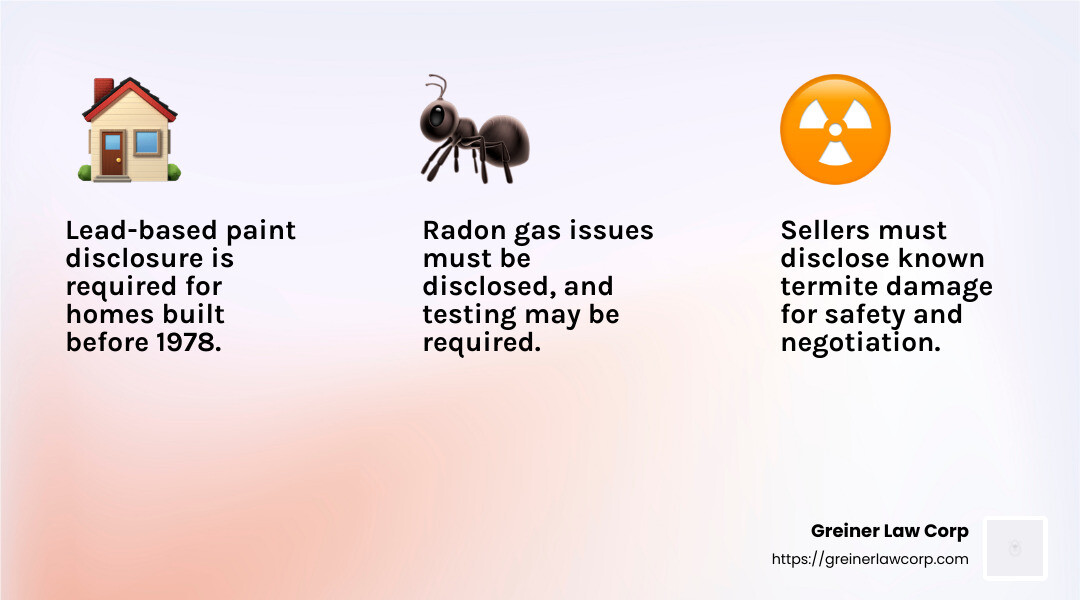
These disclosure requirements are crucial in real estate purchase contracts. They promote transparency and protect all parties involved. Buyers should always review disclosures carefully and consult with their real estate agent or attorney to understand their implications fully.
Next, let’s examine the role of real estate agents and attorneys in navigating these complex agreements.
Role of Real Estate Agents and Attorneys
When diving into real estate purchase contracts, both real estate agents and attorneys play pivotal roles. They ensure that transactions are smooth, fair, and legally sound. Let’s explore how they contribute in different areas:
Negotiation
Real estate agents are the frontline negotiators. They listen to their clients’ needs and advocate for their interests. Agents use their market knowledge to craft offers that are both competitive and appealing. They steer counteroffers and multiple offer scenarios, ensuring clients get the best possible deal.
Attorneys, on the other hand, ensure that the negotiated terms are legally feasible. They step in when negotiations involve complex legal issues, ensuring that clients’ rights are protected.
Drafting
Drafting the real estate purchase contract is a precise task. Agents often prepare the initial drafts, including key elements like price, contingencies, and closing dates. They use templates but customize them to fit the specific transaction.
Attorneys review these drafts to ensure legal compliance. They refine contract language to avoid ambiguity and address any potential legal pitfalls. In states like Massachusetts, attorneys often prepare the Purchase and Sale Agreement (P&S), making sure it aligns with local laws.
Legal Assistance
Legal assistance is crucial in real estate transactions. Attorneys provide this by advising clients on legal rights and obligations. They handle title searches, ensuring that the property is free from liens or disputes. If issues arise, they work to resolve them, protecting clients from unexpected liabilities.
Client Interests
Both agents and attorneys are client advocates. They prioritize their clients’ interests, from negotiation to closing. Agents focus on market dynamics and client preferences, while attorneys safeguard legal interests.
Real estate agents and attorneys together create a balanced approach. Agents handle the market and negotiation dynamics, while attorneys ensure legal soundness. This teamwork is essential for successful and secure real estate transactions.
Next, we’ll address frequently asked questions about real estate purchase contracts, clarifying common concerns and processes involved.
Frequently Asked Questions about Real Estate Purchase Contracts
What is a Real Estate Purchase Agreement?
A Real Estate Purchase Agreement is a legal document that outlines the terms and conditions of a property sale. It’s a binding contract that details everything from the purchase price to any contingencies that must be met before the sale can close. Think of it as the roadmap for your property transaction, ensuring both buyer and seller understand their roles and responsibilities.
This agreement is crucial because it sets clear expectations and protects both parties from misunderstandings or disputes. For example, it will specify if the sale is contingent on the buyer securing financing or passing a home inspection.
How to Make a Purchase Contract?
Creating a purchase contract involves several key steps. First, both the buyer and seller need to agree on the terms of the sale, including the price, closing date, and any other conditions. Once terms are agreed upon, the contract must be drafted.
Typically, the buyer’s real estate agent will prepare the initial draft using a standardized template, which is then customized for the specific transaction. This draft covers essential details like the purchase price, property description, and any contingencies.
Next, an attorney should review the contract to ensure it complies with local laws and adequately protects the client’s interests. Once both parties agree on the contract, they sign it, making it legally binding.
Who Prepares the P&S in Massachusetts?
In Massachusetts, the Purchase and Sale Agreement (P&S) is often prepared by attorneys. While real estate agents might draft the initial offer, attorneys step in to draft the P&S to ensure it meets all legal requirements. This document is more detailed than the initial offer and includes specifics like financing terms, property disclosures, and any legal contingencies.
The involvement of attorneys in Massachusetts is crucial because real estate transactions can be complex, and the laws vary by state. Having an attorney draft the P&S helps avoid legal pitfalls and ensures the transaction proceeds smoothly.
In summary, real estate purchase contracts are essential legal documents that guide property sales. They ensure that both buyers and sellers understand their commitments and provide a framework for resolving any potential issues. Whether you’re in Massachusetts or elsewhere, having a knowledgeable attorney to draft or review these contracts is vital for a successful transaction.
Conclusion
At Greiner Law Corp, we understand that navigating real estate purchase contracts can be daunting. Our goal is to simplify this process while aligning with our clients’ unique objectives. With a strong focus on a business-minded approach, we ensure that each transaction is custom to meet your specific needs.
Our expertise in real estate law allows us to provide comprehensive legal support, from drafting initial contracts to closing the deal. We prioritize clear communication and transparency, ensuring that you are informed every step of the way. By focusing on practical solutions, we help you manage risks effectively and avoid common pitfalls.
Our team is committed to safeguarding your interests. We carefully address every detail, from contingencies to closing dates, ensuring that your real estate transaction is as seamless as possible. Whether you’re buying or selling, our custom approach provides peace of mind and a foundation for future success.
For those seeking expert guidance in real estate transactions, Greiner Law Corp is here to help. Let us be your trusted partner in building a secure and successful real estate journey.


