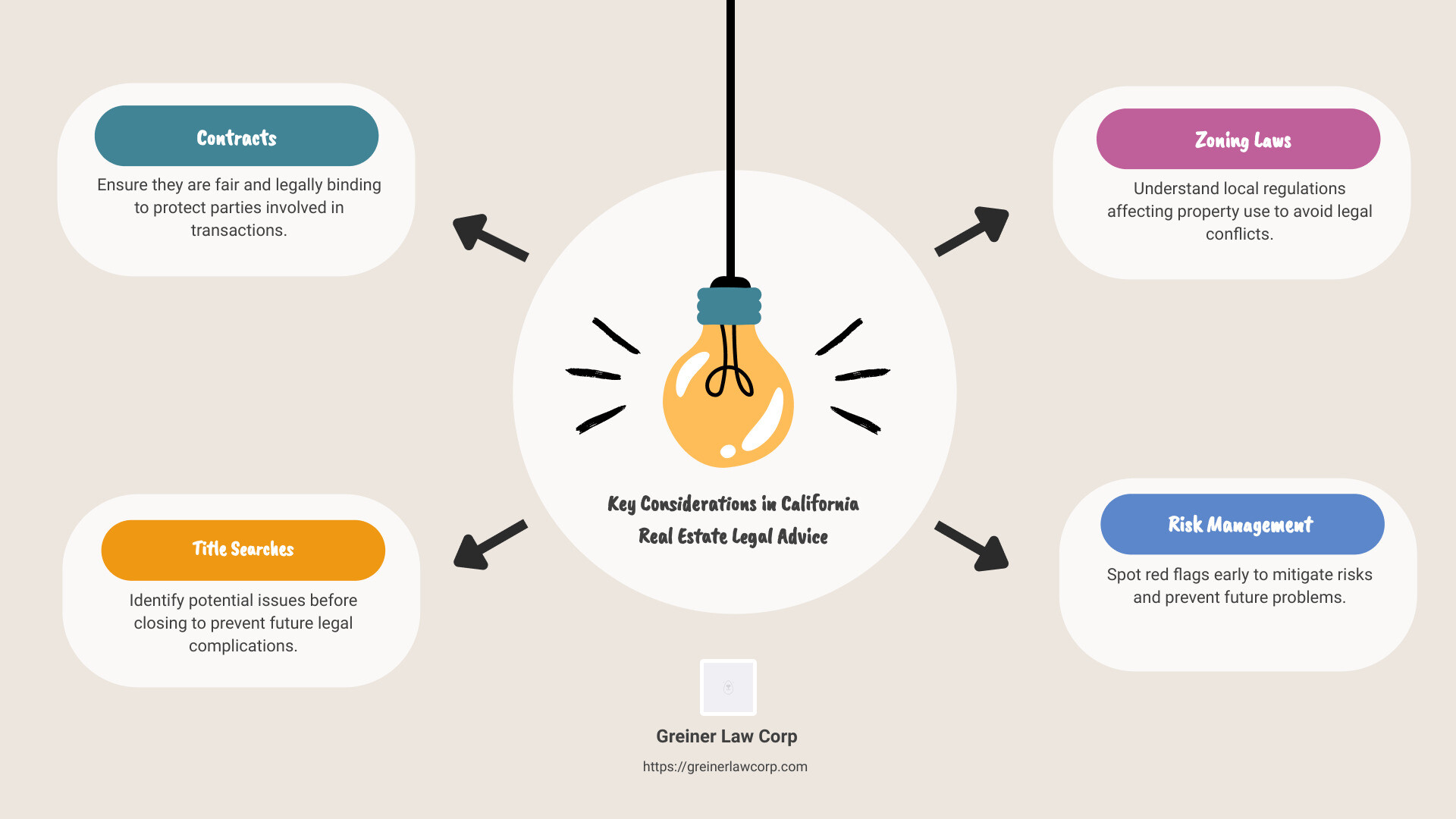
Real estate legal advice California is crucial for anyone involved in property transactions in the Golden State. Whether buying, selling, or managing real estate, understand the legal landscape to avoid pitfalls and protect your investments. Key points to consider include:
- Contracts: Ensure they are fair and legally binding.
- Title Searches: Identify potential issues before closing.
- Zoning Laws: Understand local regulations affecting property use.
- Risk Management: Spot red flags early to prevent future problems.
Navigating the real estate market in California requires not just patience and dedication, but also keen legal insight. With dynamic laws and intricate procedures, having structured guidance becomes a keystone in any real estate endeavor. From contract disputes and title concerns to zoning regulations, understanding the layers of California’s real estate laws ensures smoother transactions and safeguarded interests.
As David Greiner, Esq., I bring a unique blend of transactional law expertise and business leadership from my tenure as President of Greiner Buick GMC. Having been a trusted advisor to prominent businesses, my focus remains on achievement and strategic solutions, particularly in real estate legal advice California. Transitioning seamlessly from real estate transactions to legal advice, let’s dig into the complexities that define the Californian real estate market.
Understanding Real Estate Transactions
Navigating real estate transactions in California can be complex, but understanding the basics can make the process smoother. Let’s break down the key areas involved in real estate transactions: purchase and sale, financing, joint ventures, and property management.
Purchase and Sale
The purchase and sale process is the backbone of any real estate transaction. It involves a legally binding agreement between the buyer and seller. This contract outlines the purchase price, property details, contingencies, and closing date. In California, the California Residential Purchase Agreement is commonly used to formalize these transactions.
Pro Tip: Always conduct a thorough title search to uncover any liens or issues that could affect ownership.
Financing
Financing is often a critical component of real estate transactions. It involves securing funds to purchase property, which can come from traditional lenders like banks or alternative sources such as private lenders or REITs (Real Estate Investment Trusts).
Understanding different loan types—such as construction loans, permanent loans, or acquisition loans—can help you choose the best financing option for your needs. Expert advice can also help you steer complex loan structures like mezzanine financing or debtor-in-possession financings.
Joint Ventures
In a joint venture, two or more parties collaborate to invest in a real estate project. This can be an effective way to pool resources, share risks, and leverage each party’s strengths. Joint ventures can be particularly beneficial in large-scale developments where significant capital and expertise are required.
Example: A successful joint venture might involve a developer partnering with a financial institution to construct a new residential complex. Each partner shares in the profits and risks according to their investment and agreement terms.
Property Management
Property management is crucial for maintaining and maximizing the value of a real estate investment. It involves overseeing the day-to-day operations of a property, including maintenance, tenant relations, and compliance with local regulations. Effective property management ensures that the property remains in good condition and that tenants are satisfied, which can lead to higher occupancy rates and increased revenue.
Tip: Consider hiring a professional property manager if you own multiple properties or lack the time to manage them yourself.
Understanding these aspects of real estate transactions can help you make informed decisions and protect your investments. Let’s explore how zoning and land use regulations impact real estate transactions in California.
Real Estate Legal Advice California
When dealing with real estate in California, understanding the legal landscape is crucial. Let’s explore three common issues: contract disputes, real estate fraud, and title disputes.
Contract Disputes
Contract disputes are a frequent challenge in real estate. They occur when one party believes the other hasn’t fulfilled their part of the agreement. This can involve breach of contract, where terms like payment schedules or property conditions aren’t met.
Example: A buyer might claim a seller didn’t disclose a termite infestation, violating the contract terms. In such cases, legal intervention can help resolve the issue, potentially leading to contract rescission or renegotiation.
Tip: Always have a qualified attorney review contracts before signing to avoid future disputes.
Real Estate Fraud
Real estate fraud involves misleading or deceiving another party during a transaction. This can include misrepresentation, where false information is provided, or nondisclosure, where critical information is withheld.
A notable case involved a $54 million land fraud allegation, successfully defended by experienced attorneys. Such cases underscore the importance of vigilance and legal support.
Warning: Be cautious of deals that seem too good to be true. Always verify information through independent sources.
Title Disputes
Title disputes arise over property ownership claims. They can involve boundary disputes, title defects, or encroachments.
Example: Imagine finding that part of your newly purchased property overlaps with a neighbor’s land due to an inaccurate survey. Resolving such issues often requires legal action to clear or quiet the title.
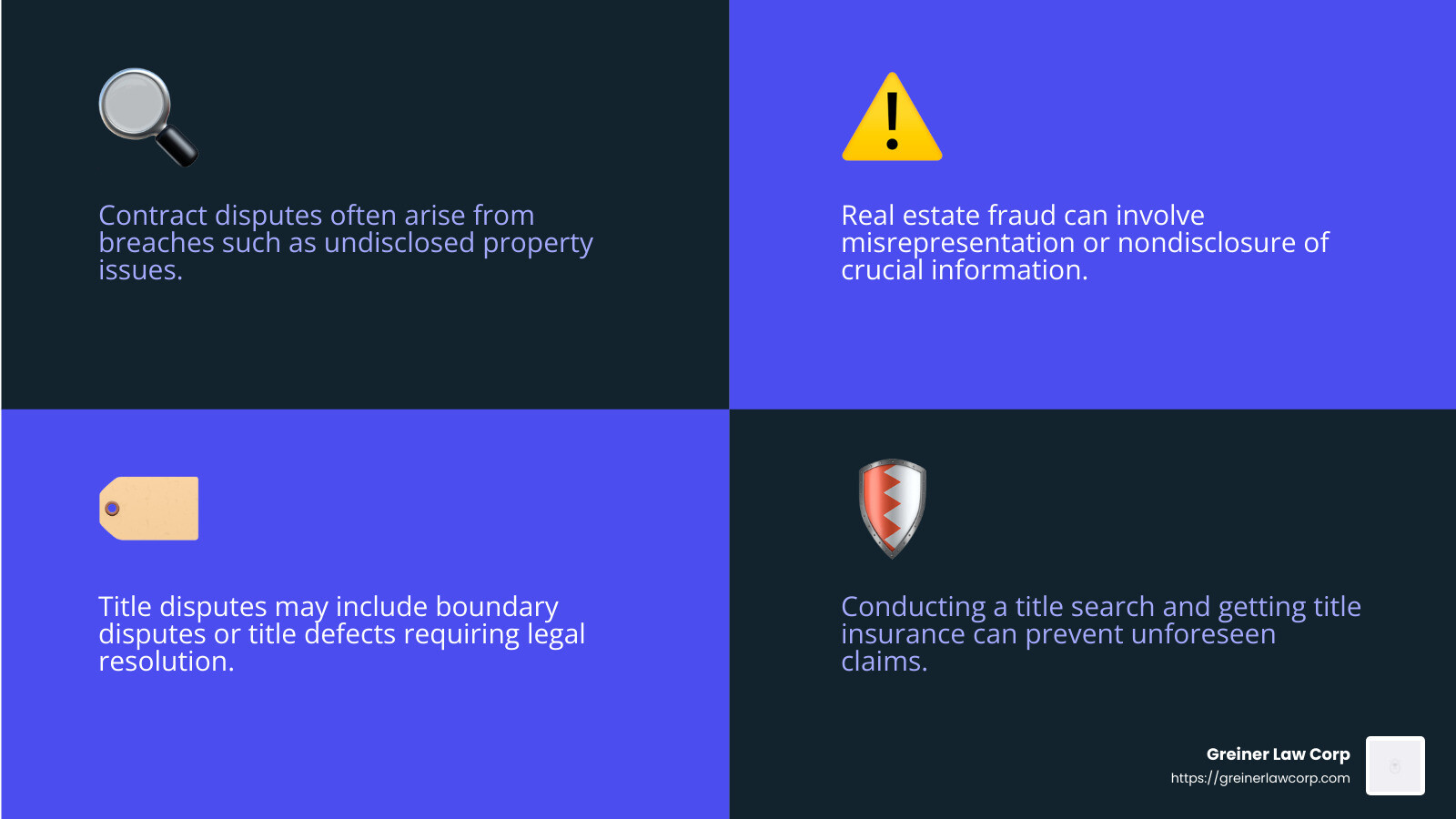
Advice: Conduct a comprehensive title search and consider title insurance to protect against unforeseen claims.
Understanding these aspects of real estate legal advice in California can save you from costly and time-consuming legal battles. We’ll explore zoning and land use, which also play significant roles in real estate dealings.
Navigating Zoning and Land Use
When it comes to real estate in California, zoning and land use are pivotal. These elements can make or break a project. Let’s explore the key areas: zoning disputes, land use restrictions, and development approvals.
Zoning Disputes
Zoning disputes occur when there’s a disagreement over how a piece of land can be used. These disputes often arise between property owners and local governments.
Example: A homeowner might want to build a guest house on their property, but local zoning laws restrict such developments. In these cases, legal assistance can be crucial in negotiating or contesting zoning decisions.
Tip: Before purchasing property, consult the local zoning laws to understand what is permissible. This can prevent future disputes and delays.
Land Use Restrictions
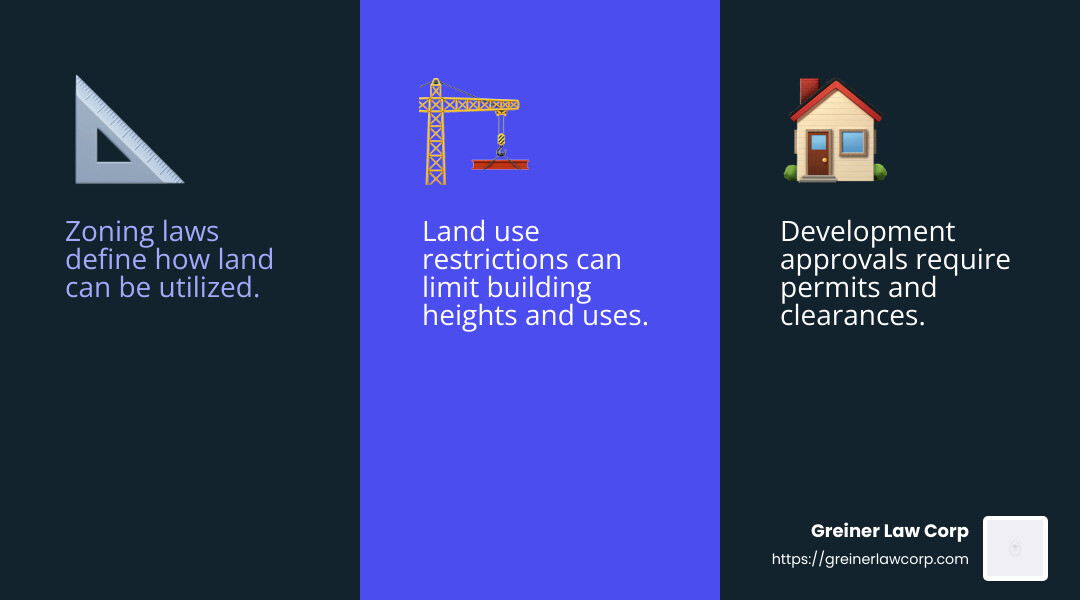
Land use restrictions dictate how land can be used or developed. These can include limitations on building heights, land conservation, or specific uses like residential or commercial.
Case Study: In a landmark case, Furla v. Jon Douglas Co., the courts established the duties owed by real estate brokers, emphasizing the importance of understanding land use laws before making transactions.
Advice: Engage with a knowledgeable attorney to steer these restrictions. They can help identify potential issues and guide you through compliance.
Development Approvals
Obtaining development approvals is a critical step in any real estate project. This involves getting the necessary permits and clearances from local authorities to proceed with construction or modifications.
Fact: Projects like shopping centers and multifamily developments often require extensive approval processes, involving environmental reviews and public hearings.
Strategy: Work closely with legal experts who understand the local regulations and can streamline the approval process. This can save time and prevent costly setbacks.
Navigating zoning and land use is complex but essential for any real estate venture in California. These legal aspects ensure that developments are safe, sustainable, and beneficial to the community. Let’s dig into the real estate litigation process to see how legal strategies are crafted and executed.
Real Estate Litigation Process
When a real estate dispute arises, understanding the litigation process is crucial. This process is a series of steps that help resolve disputes legally and effectively. Let’s break down the key components: case assessment, legal research, and strategy development.
Case Assessment
The first step in any real estate litigation is a thorough case assessment. This involves reviewing all relevant documents and details of the case. A lawyer will evaluate the strengths and weaknesses of your position, considering factors like contracts, evidence, and potential legal claims.
Example: Imagine a scenario where a buyer finds defects in a property after purchase. A lawyer would assess the purchase agreement and any inspection reports to determine the best legal course of action.
Tip: Gather all documents and evidence related to your case before meeting with a lawyer. This preparation can speed up the assessment process and provide a clearer picture of your situation.
Legal Research
Once the case is assessed, the next step is legal research. This involves identifying the laws, regulations, and precedents that apply to your case. Lawyers use this research to build a solid foundation for your claims or defenses.
Fact: In California, real estate law is influenced by both state statutes and local ordinances. Understanding these nuances is essential for any legal strategy.
Advice: Work with a lawyer who has in-depth knowledge of California real estate law. Their expertise can uncover crucial legal angles that might be overlooked.
Strategy Development
After assessing the case and conducting research, the lawyer will develop a strategy. This plan aims to achieve the desired outcome, whether through negotiation, alternative dispute resolution (ADR), or litigation.
Strategy Example: If a title dispute arises, a lawyer might first attempt to resolve it through negotiation or mediation. If these methods fail, they would prepare to take the case to court.
Quote: “A well-crafted strategy is the backbone of successful litigation,” says a seasoned real estate attorney. “It guides every action we take, from filing motions to presenting evidence in court.”
Tip: Be involved in the strategy development process. Discuss your goals and preferences with your lawyer to ensure the strategy aligns with your expectations.
Understanding the real estate litigation process is vital for anyone facing a dispute. It provides a roadmap for navigating complex legal challenges and working towards a favorable resolution. Let’s explore some frequently asked questions about real estate legal advice in California.
Frequently Asked Questions about Real Estate Legal Advice in California
What is the hotline for free legal advice in California?
If you’re looking for free legal advice in California, one option is the Community Legal Aid SoCal. They offer free evaluations and can help guide you through various legal issues, including real estate matters. This resource is especially valuable for individuals who might not have the means to hire a private attorney but still need expert guidance.
How much does a real estate attorney cost in California?
The cost of hiring a real estate attorney in California can vary widely based on several factors. Here’s a quick breakdown:
Hourly Rates: Most attorneys charge by the hour, with rates ranging from $150 to $500. The exact rate will depend on the attorney’s experience and the complexity of your case.
Flat Fees: For simpler tasks like drafting a lease or reviewing a contract, some attorneys might offer a flat fee. This can range from $500 to $2,000.
Total Costs: The overall cost will depend on the scope of work. Simple transactions might cost around $1,000, but complex litigation could go into the tens of thousands.
Understanding these costs can help you budget effectively for legal services.
What is the legal hotline for real estate in California?
For those involved in real estate transactions, the C.A.R. attorneys provide a valuable resource. They offer a legal hotline specifically for active transactions. This service is available to California REALTORS® and can be a crucial tool for navigating legal challenges during a transaction. Whether you’re dealing with contract disputes, title issues, or other real estate concerns, having access to experienced attorneys can make a significant difference.
By leveraging these resources, you can get the real estate legal advice California residents need to steer the complexities of property transactions. Whether you’re looking for free assistance or planning to hire a professional, understanding these options will help you make informed decisions.
Conclusion
At Greiner Law Corp, we are committed to providing custom legal solutions that prioritize your unique goals. Whether you are buying, selling, or managing a property, our business-minded approach ensures that you are not only legally protected but also strategically positioned for success.
Client Goals First
Our primary focus is on your objectives. We listen carefully to understand what you want to achieve and then craft legal strategies that align with those goals. Whether it’s maximizing your selling price or ensuring a smooth transaction, we tailor our advice to meet your specific needs.
Business-Minded Approach
Real estate transactions are more than just legal processes; they are business decisions. Our team considers the broader implications of your choices, including market trends and financial impacts. This holistic approach helps you manage risks effectively and seize opportunities.
With offices in Victorville, Riverside, San Bernardino, and Los Angeles, we’re ready to assist you anywhere in California. If you’re looking for expert guidance in real estate, probate, or business law, contact us today. Let us be your partner in navigating the complexities of real estate with confidence and ease.


