Can you borrow loan to buy a probate home? Yes, you can, but it’s complex. Here’s the quick take:
- Court Approval Needed: The probate court must okay the sale.
- Financing Challenges: Traditional loans can be difficult; some lenders might hesitate.
- Alternatives: Consider probate advances or cash offers if loans are an issue.
When dealing with probate sales, you’re stepping into a unique real estate landscape where legal procedures meet emotional circumstances. The probate process involves managing the estate of someone who has passed, ensuring that their assets, including real estate, are fairly distributed to heirs. This is called probate sales, which can sometimes present lucrative opportunities for buyers willing to steer its complexities.
My name is David Greiner, Esq. With years of experience in business law and real estate transactions, I specialize in guiding clients through the intricacies of can you borrow loan to buy a probate home. I help ensure your transactions are smooth, safeguarded, and aligned with your legal goals.
Can you borrow loan to buy a probate home terminology:
– how do probate loans work
– probate advance
– probate loan
Can You Borrow Loan to Buy a Probate Home?
Buying a probate home is not your typical real estate transaction. It involves unique steps and challenges. But the question remains: can you borrow loan to buy a probate home? The answer is yes, but it’s not straightforward.
Understanding Probate Sales
Probate sales occur when someone passes away, and their estate, including any property, needs to be distributed according to their will or state laws. The probate court oversees this process to ensure everything is handled correctly.
In a probate sale, the property is usually sold “as is.” This means the buyer might have to deal with repairs or other issues that the deceased owner could not address. Because of this, there might be fewer buyers, which can sometimes lead to lower prices.
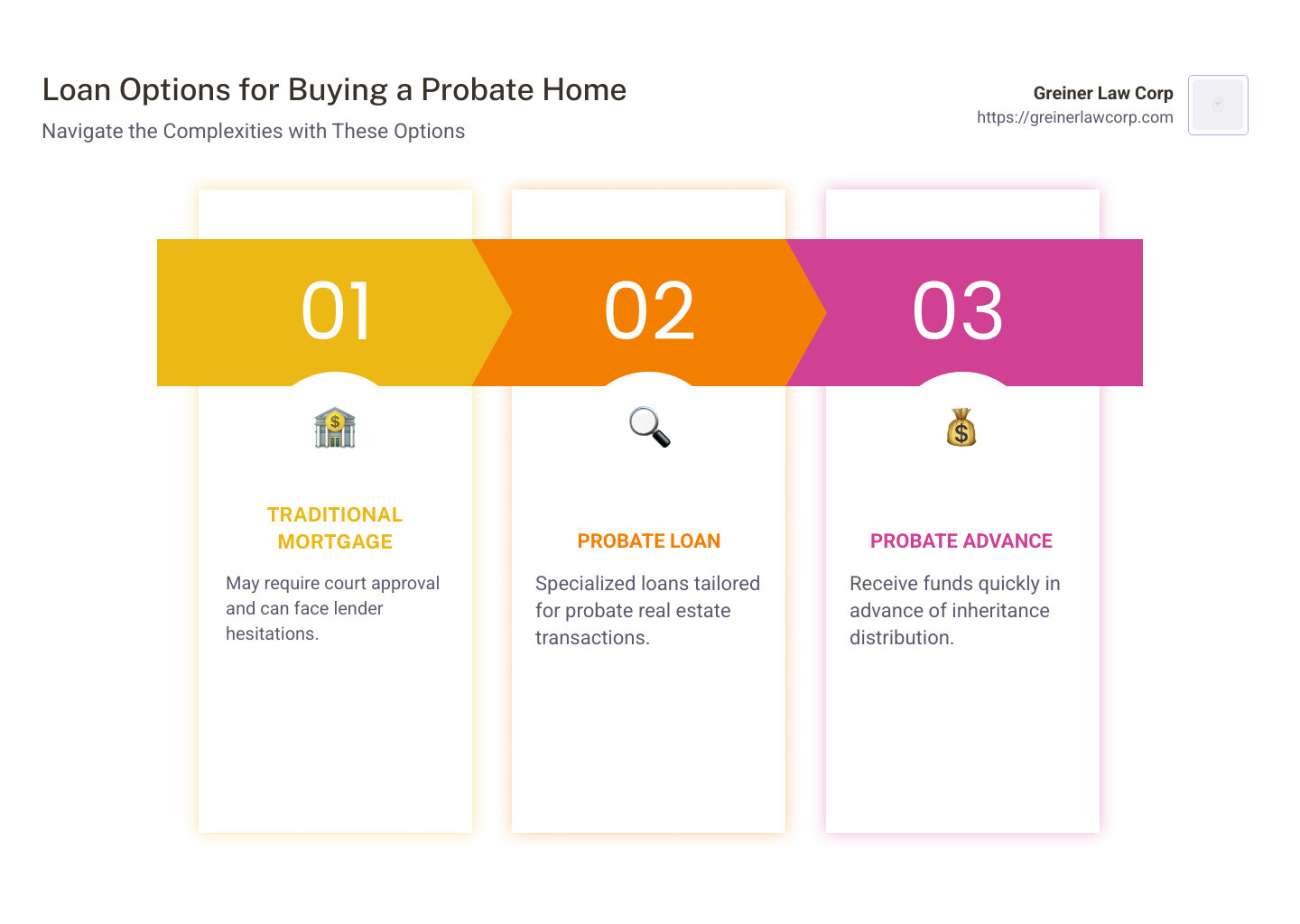
Loan Types for Probate Purchases
When it comes to financing a probate home, you have a few options:
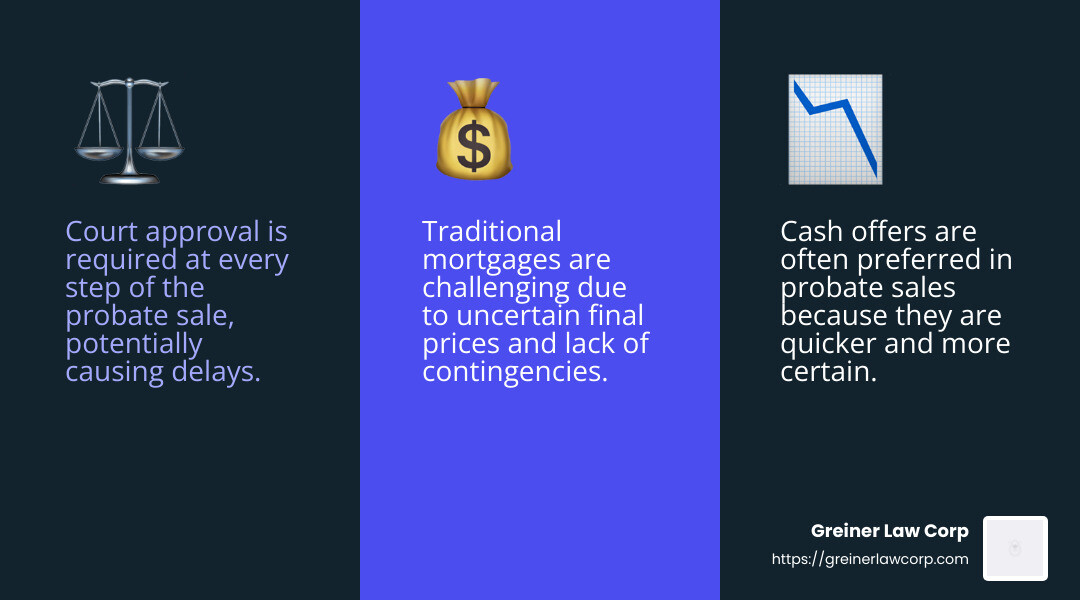
Traditional Mortgage: This is the most common type of loan for buying homes. However, securing a mortgage for a probate sale can be tricky. The uncertain final price and lack of contingencies make lenders cautious.
Cash-Only: Some probate sales prefer cash offers because they are quicker and more certain. If you can make a cash offer, it might give you an edge over other buyers.
Probate Loans: These are specific loans designed to help you access funds during the probate process. They can be useful if you need to buy out other heirs or manage estate expenses.
Probate Advances: Unlike loans, these provide immediate cash without monthly repayments. Instead, they take a portion of your future inheritance.
Financing Challenges
Financing a probate home comes with its own set of challenges:
Court Approval: Every step in a probate sale requires court approval, which can delay the process.
Loan Approval: Lenders might hesitate due to the complexities involved, especially if the final sale price is uncertain.
Risk of Loss: If the sale doesn’t go through, you might lose your deposit.
Navigating these challenges requires careful planning and the right expertise. It’s crucial to work with professionals who understand both real estate and probate law to guide you through the process.
Navigating the Probate Loan Process
When you’re eyeing a probate home, understanding the loan process is crucial. Here’s a breakdown of how to secure a probate loan and the pros and cons involved.
Steps to Secure a Probate Loan
Lender Evaluation: Start by researching lenders who specialize in probate or estate loans. Not all financial institutions offer these, so it’s crucial to find one that understands the unique nature of probate sales.
Inheritance Verification: Lenders will want to verify your inheritance claim. This involves providing documentation that proves your right to the inheritance. You might need a copy of the will or court documents showing your status as a beneficiary.
Loan Terms: Once your inheritance is verified, discuss loan terms with your lender. This includes interest rates, repayment schedules, and any fees associated with the loan. Make sure you fully understand these terms before proceeding.
Application Process: Complete the loan application with all necessary details. Be prepared for a thorough review, as probate loans involve more risk for lenders.
Approval and Funding: If approved, the lender will provide the funds. You can use these to buy out other heirs, pay estate expenses, or secure the property.
Pros and Cons of Probate Loans
Pros:
Early Inheritance Access: A probate loan allows you to access your inheritance sooner, which can be crucial if you need funds immediately for taxes, tuition, or other expenses.
Financial Flexibility: With funds in hand, you can manage estate-related costs without waiting for the probate process to conclude.
Cons:
Interest Rates: Probate loans often come with higher interest rates than traditional loans. This can reduce the overall value of your inheritance.
Financial Risks: If the estate’s value is lower than expected, you might end up with less inheritance after repaying the loan.
Complex Process: Navigating the probate loan process can be complex and time-consuming, requiring careful attention to legal and financial details.

In summary, while a probate loan can provide much-needed financial support, weigh the pros and cons carefully. Consider your financial needs and the potential risks involved before making a decision.
Next, we’ll explore alternatives to probate loans, such as probate advances and home equity options, which might offer different benefits for your situation.
Alternatives to Probate Loans
If a probate loan doesn’t seem like the right fit, don’t worry! There are other ways to access funds tied to your inheritance. Let’s explore some alternatives, like probate advances, home equity loans, and cash-out refinances.
Probate Advance
A probate advance is a way to get a portion of your inheritance upfront without taking on a loan. Here’s how it works:
No Monthly Payments: Unlike probate loans, advances don’t require monthly repayments. Instead, the company offering the advance takes a portion of your future inheritance.
Quick Access to Funds: You can receive money much faster, often within days, which can be a lifesaver if you need cash quickly.
No Interest Rates: Since it’s not a loan, you don’t have to worry about interest piling up.
However, by choosing a probate advance, you’ll receive less money in the end because the advance company takes a cut of your inheritance.
Home Equity Loan
If you own a home, a home equity loan might be another option to consider:
Leverage Your Property: This loan allows you to borrow against the equity in your home, which can provide a substantial amount of money.
Fixed Interest Rates: Home equity loans typically come with fixed interest rates, making your monthly payments predictable.
Potential Tax Deduction: Interest on these loans may be tax-deductible if used to improve the home.
That using a home equity loan means putting your property at risk. If you can’t repay, you could lose your home.
Cash-Out Refinance
A cash-out refinance is another way to tap into your home’s equity:
Refinance Your Mortgage: You replace your current mortgage with a new one for more than you owe, and pocket the difference.
Lower Interest Rates: If interest rates have dropped since you took out your original mortgage, this could save you money.
Lump Sum: You’ll receive a lump sum of cash at closing, which can be used for any purpose, including buying a probate home.
However, like a home equity loan, a cash-out refinance increases your mortgage debt. Make sure you can handle the new payments before proceeding.
Each of these options has its pros and cons. Consider your financial situation and long-term goals before deciding which path to take. Next, we’ll dive into frequently asked questions about probate home loans to clear up any lingering doubts.
Frequently Asked Questions about Probate Home Loans
Can you finance a probate sale?
Yes, you can finance a probate sale, but it’s not as straightforward as a regular home purchase. Here’s why:
Mortgage Challenges: Getting a mortgage for a probate sale can be tough. The final sale price is uncertain until court approval, which makes loan approval tricky. Lenders may hesitate to commit without knowing the exact amount.
Financing Risks: Probate sales come with no contingencies. This means sellers aren’t obligated to wait for you to secure financing, so you must act quickly. If you’re not ready, you could lose your chance to buy the property.
Pro Tip: Get pre-approved for a loan and work with a real estate attorney who knows probate sales inside out. This preparation can help you move fast when the opportunity arises.
Are probate sales cash only?
Not always, but many probate sales prefer cash offers. Here’s what you need to know:
Cash Deposit: When you make an offer, you often need a 10% deposit in cash or cashier’s check. This shows you’re serious and ready to buy.
Auction Process: Some probate sales involve auctions where cash offers are favored. Cash can be more appealing to sellers because it speeds up the sale process and eliminates financing uncertainties.
If you plan to finance, be prepared for a competitive environment. A cash offer might win even if it’s slightly lower than a financed one.
Who pays the mortgage during probate?
During probate, the estate is responsible for covering mortgage payments. Here’s how it works:
Estate Responsibility: The executor or personal representative must ensure mortgage payments continue. This prevents foreclosure while the estate is settled.
Mortgage Payments: If you’re an heir and want to keep the property, you might decide to take over payments. This keeps the mortgage current and protects your future interest in the home.
Quick Tip: Notify the lender about the owner’s passing and provide necessary documents, like the death certificate. Keeping the lender informed helps maintain a smooth process.
Understanding these aspects of probate home loans can help you steer the complexities of buying a probate property. Next, we’ll explore how Greiner Law Corp can be your guide through the probate process.
Conclusion
Navigating probate home purchases can be complex and daunting. That’s where we, at Greiner Law Corp, come in. Our expertise in probate and real estate law positions us uniquely to guide you through this intricate process with confidence and clarity.
Why Choose Greiner Law Corp?
Client-Focused Approach: We prioritize your goals and tailor our services to meet your specific needs. Whether you’re an executor, beneficiary, or potential buyer, we ensure that your interests are protected every step of the way.
Probate Expertise: With our deep understanding of probate laws, especially in California, we help you manage the challenges of estate distribution, property sales, and potential family disputes. Our business-minded approach ensures that you can effectively manage your risk preferences.
Local Presence: With multiple locations across California, including Victorville, Riverside, San Bernardino, and Los Angeles, we’re conveniently positioned to assist you locally. Our team is ready to provide personalized advice and support.
If you’re considering a probate home purchase and wondering, “Can you borrow a loan to buy a probate home?” let us help you explore your options. From understanding loan types to navigating probate sales, we’re here to make the process as smooth as possible.
For more information on how we can assist you with probate loans and purchases, visit our probate loan service page. Let Greiner Law Corp guide you through this journey with expertise and care.


