Real estate contracts explained can be boiled down to agreements that spell out the responsibilities, promises, and conditions of a property transaction. These contracts form the backbone of buying, selling, or leasing real estate, ensuring each party is clear on their rights and obligations.
Here’s a quick snapshot for those in a hurry:
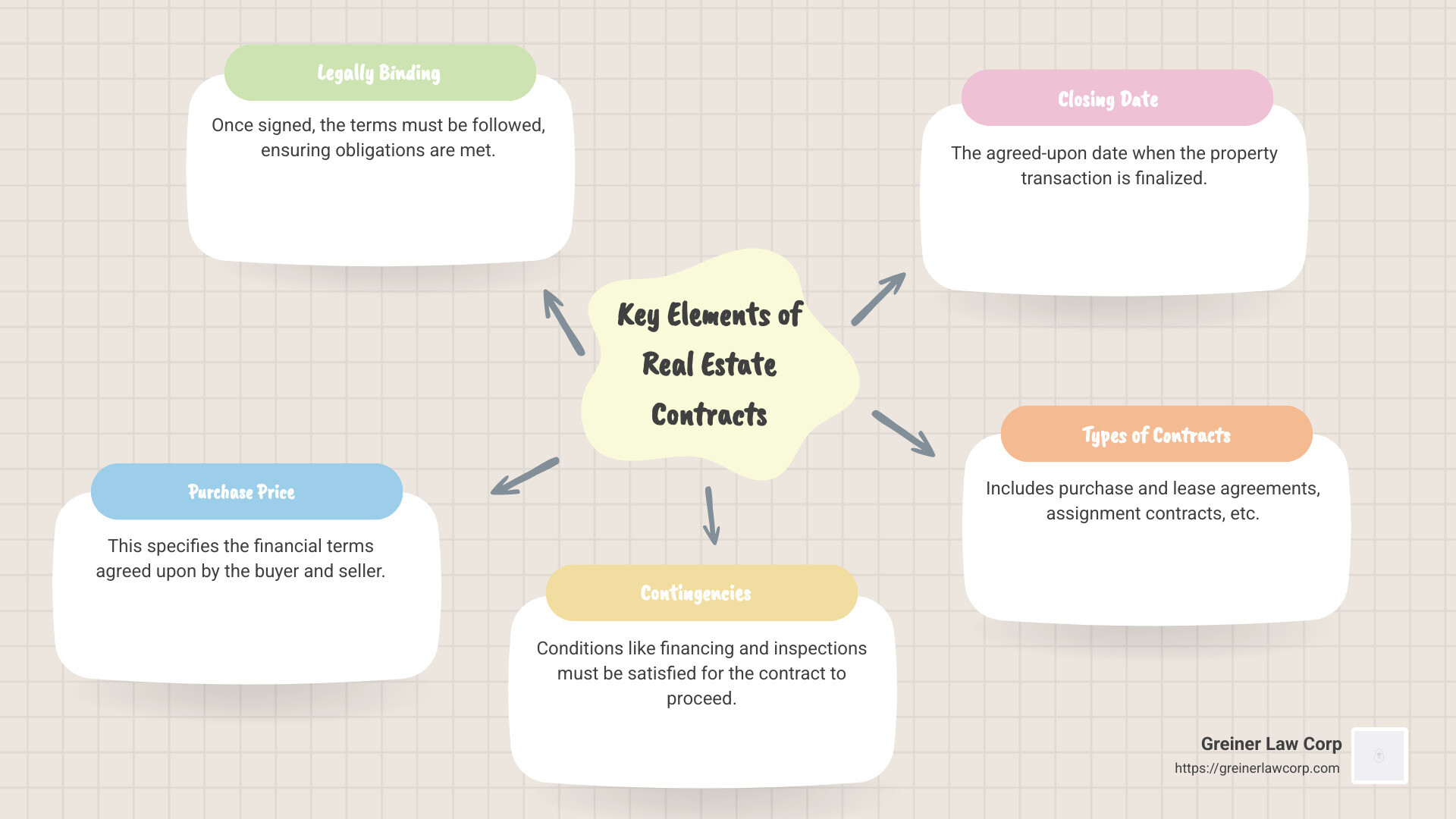
- Legally Binding: Once signed, the terms must be followed.
- Key Elements: Include purchase price, contingencies, and closing date.
- Types: Comprised of purchase agreements, lease agreements, and more.
- Buyer’s and Seller’s Responsibilities: Clearly outlined to prevent disputes.
Real estate contracts are pivotal in any property deal. They define expectations, provide protection, and ensure smooth transactions. In busy California areas like Victorville, Riverside, San Bernardino, and Los Angeles, where real estate moves fast, understanding these agreements can save headaches and money.
I’m David Greiner, Esq. With experience in the intricacies of real estate contracts, from buy-sell agreements to corporate real estate governance, I’ve guided countless clients through contract complexities, ensuring they are well-equipped to handle property transactions confidently.
Ready to dig deeper? Let’s explore what makes these contracts tick and how to steer them effectively.
Understanding Real Estate Contracts Explained
When it comes to real estate contracts explained, the essence boils down to three core components: offer and acceptance, legally binding nature, and transaction terms. Understanding these elements is crucial for anyone involved in property transactions, whether you’re buying a cozy home in Riverside or leasing a commercial space in Los Angeles.
Offer and Acceptance
The journey of a real estate contract begins with an offer. This is when one party, typically the buyer, proposes specific terms for the transaction. These terms often include the purchase price, closing date, and any contingencies. The offer must be clear and in writing to be valid.
Acceptance occurs when the other party, usually the seller, agrees to these terms without making any changes. If changes are suggested, it turns into a counteroffer. The original offer is then void. This back-and-forth continues until both parties reach an agreement on all terms.
Fun Fact: Offers and acceptances are often exchanged via email or fax. This modern convenience speeds up the process, making it easier for parties to finalize deals even when miles apart.
Legally Binding
Once both parties sign the contract, it becomes legally binding. This means each party must fulfill their obligations as outlined. Failing to do so can lead to legal consequences. For instance, a buyer might lose their deposit, or a seller could face a lawsuit for non-performance.
Being legally bound provides security and assurance. It ensures that both parties are committed to the transaction and understand their responsibilities. This is particularly important in markets like San Bernardino, where deals happen quickly and decisively.
Transaction Terms
The transaction terms are the backbone of any real estate contract. They detail the specifics of the deal, ensuring there is no room for misunderstandings. Key terms include:
- Purchase Price: The agreed amount the buyer will pay.
- Contingencies: Conditions that must be met for the contract to be fully enforceable, like financing or inspection contingencies.
- Closing Date: The day when the property officially changes hands.
These terms are carefully outlined to protect both parties and ensure a smooth transaction. They help mitigate risks and provide a clear roadmap from the initial offer to the final handshake.
Understanding these components of real estate contracts is vital. They form the foundation of any property transaction, ensuring that all parties are on the same page and legally protected. Next, we’ll dive into the key components of these contracts and explore what makes them valid and enforceable.
Key Components of Real Estate Contracts
When discussing real estate contracts explained, break down the key components that ensure a smooth transaction. Whether you’re buying a charming home in Victorville or leasing office space in Los Angeles, understanding these elements is crucial.
Purchase Price
The purchase price is the heart of any real estate contract. It’s the agreed amount that the buyer will pay the seller for the property. This figure is often the result of negotiations, considering factors like market value and property condition.
Example: In a competitive market, buyers might offer above the asking price to secure a property. This shows the importance of setting a realistic price from the start.
Contingencies
Contingencies are conditions that must be met for the contract to proceed. They protect both parties by allowing them to back out if certain conditions aren’t satisfied. Common contingencies include:
- Financing Contingency: Ensures the buyer can secure a mortgage. If they can’t, they can withdraw without penalty.
- Inspection Contingency: Allows the buyer to have the property inspected. If significant issues are found, they can negotiate repairs or exit the contract.
- Appraisal Contingency: Protects the buyer if the property’s appraised value is less than the purchase price.

Closing Date
The closing date is the day when the property officially changes hands. All conditions must be satisfied by this date. It’s a crucial milestone in the transaction process, marking the end of negotiations and the beginning of new ownership.
Fun Fact: In California, the closing date is often a few weeks after the contract is signed, giving both parties time to fulfill their obligations.
Financing Terms
Financing terms outline how the buyer will pay for the property. This includes details about the mortgage, down payment, and interest rate. Having clear financing terms is essential to ensure the buyer can afford the purchase and the seller receives payment as agreed.
Tip: Buyers should lock in their interest rate early to protect against market fluctuations that could increase monthly payments.
Understanding these components helps buyers and sellers steer real estate contracts with confidence. Each element plays a vital role in protecting the interests of both parties and ensuring a successful transaction. Next, we’ll explore the different types of real estate contracts and their unique purposes.
Types of Real Estate Contracts
In real estate, contracts come in various forms, each custom to specific needs and scenarios. Whether you’re buying, leasing, or assigning rights, knowing the right contract type is key to a successful transaction.
Purchase Agreements
A purchase agreement is the most common real estate contract. It outlines the terms of a property sale between a buyer and a seller. Key elements include:
- Purchase Price: The agreed amount the buyer will pay.
- Contingencies: Conditions like financing or inspections that must be met.
- Closing Date: When the property officially changes hands.
Example: A family in Riverside agrees to buy a home for $500,000, contingent on a satisfactory inspection and securing a mortgage.
Lease Agreements
Lease agreements are crucial for renting properties. They specify the terms under which a tenant occupies a property owned by a landlord. Important components include:
- Rental Amount: How much the tenant pays monthly.
- Lease Duration: Length of the rental period.
- Responsibilities: Maintenance duties of tenant and landlord.
Example: A business in San Bernardino leases office space for a year, agreeing to pay $2,000 a month.
Assignment Contracts
Assignment contracts are popular among real estate investors. They allow an original buyer (assignor) to transfer their purchase rights to another buyer (assignee) before the closing date. This is common in wholesale deals.
Example: An investor in Los Angeles finds a distressed property, secures it under contract, and then assigns the contract to another investor for a fee.
Power of Attorney Agreements
A Power of Attorney (POA) agreement grants someone the authority to act on behalf of another in real estate transactions. This is useful if the property owner can’t manage their affairs due to illness, absence, or other reasons.
Example: A military member stationed overseas gives POA to a family member to sell their home in Victorville.
Knowing these types of real estate contracts helps you choose the right one for your needs. Whether you’re buying, leasing, or assigning, each contract type serves a specific purpose and protects the interests of the parties involved. Next, we’ll dive into the legal considerations you need to be aware of when dealing with real estate contracts.
Legal Considerations in Real Estate Contracts
Real estate contracts come with a set of legal obligations that must be clearly understood to avoid potential disputes. Let’s break down the key aspects: contractual obligations, rights and responsibilities, breach of contract, and remedies.
Contractual Obligations
In any real estate contract, both parties have specific duties they must fulfill. These obligations are not just suggestions; they are legally binding promises. For example, a seller must provide a clear title, and a buyer must pay the agreed purchase price.
Tip: Always read the fine print to understand every obligation. Missing a detail might lead to unintended consequences.
Rights and Responsibilities
Both buyers and sellers have rights and responsibilities outlined in the contract. Sellers must disclose any known property issues, while buyers have the right to inspect the property. Understanding these rights ensures that both parties are protected.
Example: In California, sellers are required to disclose any past water damage or mold issues. Failing to do so can lead to legal action.
Breach of Contract
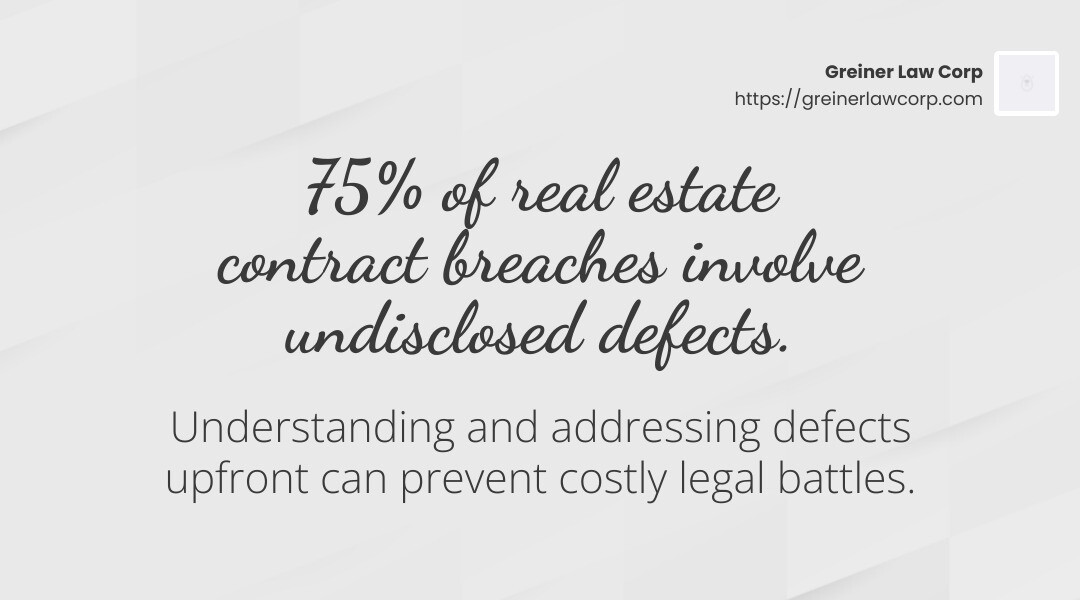
A breach occurs when one party fails to meet their contractual obligations. This can lead to significant financial and legal repercussions. Common breaches include failing to close on time or not disclosing property defects.
Fact: Breaches can lead to financial damages or even the cancellation of the contract.
Remedies for Breach
When a breach occurs, there are several remedies available:
- Monetary Damages: Compensation for financial losses suffered due to the breach.
- Specific Performance: A court order requiring the breaching party to fulfill their obligations. This is common when monetary damages aren’t sufficient.
Case Study: A buyer in Los Angeles sued for specific performance when a seller refused to transfer the property after receiving payment. The court ordered the seller to complete the sale.
Understanding these legal considerations helps ensure that real estate transactions proceed smoothly. Next, we’ll explore how to effectively negotiate these contracts to protect your interests.
Negotiating Real Estate Contracts
Negotiating a real estate contract can feel like a high-stakes game, but with the right strategies, both buyers and sellers can come out ahead. Here’s how to steer the process with confidence.
Market Research
Before stepping into negotiations, market research is crucial. Knowing the current market trends in your area, like Victorville or Los Angeles, can give you a strong foundation. Understand the average prices, how long properties stay on the market, and any seasonal trends.
Tip for Buyers: Look for recent sales in the neighborhood to gauge what a fair offer might be. This data can be your bargaining chip.
Tip for Sellers: Set a realistic price by considering the local market analysis. Overpricing might scare off potential buyers, while underpricing could mean leaving money on the table.
Negotiation Strategies
Successful negotiation isn’t about winning; it’s about finding a middle ground. Here are some strategies:
- Be Prepared: Know your bottom line and what you’re willing to compromise on.
- Stay Calm: Emotions can cloud judgment. Keep a level head to make rational decisions.
- Listen Actively: Understanding the other party’s needs can help you find mutually beneficial solutions.
Example: A Riverside seller was able to close a deal by agreeing to pay for minor repairs after a buyer raised concerns during the inspection.
Buyer Tips
For buyers, the negotiation process can be daunting, but here are some tips to ease the stress:
- Get Pre-Approved: It shows sellers you’re serious and financially ready to close the deal.
- Use Contingencies Wisely: Common contingencies include financing and inspections. They protect your interests but don’t overuse them, as it might make your offer less appealing.
- Be Ready to Walk Away: Sometimes the best deal is the one you don’t make. If terms aren’t favorable, don’t be afraid to step back.
Seller Tips
Sellers have their own set of challenges. Here’s how to steer them:
- Highlight Property Strengths: Make sure potential buyers know about recent upgrades or unique features.
- Be Transparent: Disclose any known issues upfront. This builds trust and prevents future disputes.
- Consider Offers Carefully: The highest offer isn’t always the best. Evaluate the buyer’s financial situation and contingencies.
Fact: In San Bernardino, a seller accepted a slightly lower offer because it had fewer contingencies, leading to a faster closing process.
Negotiating real estate contracts requires patience and strategy. By understanding market dynamics and employing smart tactics, you can secure the best possible outcome. Ready to tackle the next steps? Let’s explore some frequently asked questions about real estate contracts.
Frequently Asked Questions about Real Estate Contracts
What are the 5 elements of a contract in real estate?
Every real estate contract must have five key elements to be valid:
Offer: One party makes a proposal to another. For example, a buyer offers to purchase a home at a specific price.
Acceptance: The other party agrees to the offer’s terms. Both parties must agree for the contract to be enforceable.
Consideration: Something of value is exchanged. In real estate, this is usually money, but it can also be an agreement to perform a specific action.
Capacity: Both parties must have the legal ability to enter into a contract. This means they are of legal age and mentally competent.
Lawful Purpose: The contract’s purpose must be legal. For instance, a contract to sell a home is lawful, while one for illegal activities is not.
These elements ensure that a contract is solid and enforceable, protecting both buyers and sellers in the transaction.
Can a seller change the price after a contract is signed?
Once a real estate contract is signed, it becomes legally binding. This means the terms, including the price, are set unless both parties agree to amend the contract.
However, if a seller tries to change the price unilaterally, it could lead to a breach of contract. A breach occurs when one party fails to fulfill their contractual obligations. In such cases, the other party might have legal remedies, such as suing for specific performance or monetary damages.
Example: A seller in Los Angeles attempted to raise the price after signing. The buyer contested, and the court upheld the original contract terms, emphasizing the importance of adhering to contractual obligations.
What are common contingencies in real estate contracts?
Contingencies are conditions that must be met for the sale to proceed. They provide a safety net for both buyers and sellers. Here are some common ones:
Financing Contingency: Protects the buyer if they cannot secure a mortgage. If the buyer doesn’t get the loan, they can back out without penalty.
Inspection Contingency: Allows the buyer to have the home inspected. If significant issues are found, the buyer can negotiate repairs or even withdraw from the deal.
Sale of Existing Home Contingency: The buyer’s purchase is contingent on selling their current home. This ensures they won’t be financially overextended.
Contingencies are essential as they protect buyers from unforeseen issues and allow sellers to have clear expectations. They can be a deal-breaker if not handled properly, so it’s crucial to understand them fully.
Understanding these real estate contracts explained elements and contingencies helps ensure smooth and successful transactions.
Conclusion
At Greiner Law Corp, we understand that navigating real estate contracts can be overwhelming. Our mission is to simplify this process, aligning every transaction with our clients’ unique goals.
Client Goals First: We know that each client has different needs. Whether you’re buying your first home or managing an investment portfolio, our custom approach ensures that your objectives are at the forefront. We work closely with you to understand your priorities and craft contracts that reflect your vision.
Business-Minded Approach: Our focus is on practical solutions and efficient processes. We believe in making real estate transactions straightforward, without unnecessary complications. Our expertise in real estate law ensures all legal requirements are met, providing you with peace of mind and a seamless experience.
By choosing Greiner Law Corp, you gain a strategic ally committed to your success. We are here to guide you through every step of your real estate journey, from understanding the basics of real estate contracts to negotiating the best terms.
Ready to take the next step? Contact us today to learn how we can help you achieve your real estate goals and manage risks effectively. Let us help you steer the complexities of real estate with ease and confidence.


