Why Understanding Probate Realtors Is Critical for Estate Settlement
Probate realtors are specialized professionals who handle property sales within the probate process—the court-supervised distribution of a deceased person’s assets. Unlike traditional realtors, they have deep knowledge of probate law and court procedures.
Key differences probate realtors bring:
- Legal expertise in state probate laws and court requirements
- Extended timelines – probate sales can take 12-18 months vs. 30-60 days for traditional sales
- Court oversight – all contracts and pricing must meet strict legal standards
- Fiduciary responsibility – they must act in the estate’s best interests, not personal preferences
- Specialized processes – including court confirmation hearings and potential overbid situations
When someone dies, settling their real estate assets involves a complex legal maze. Failing to hire a probate realtor can cost time and money from improperly structured contracts. The combination of grief and executor duties often leads to exhaustion.
Real estate is often the largest asset in an estate. With over a million properties entering probate annually and billions spent on associated costs, professional guidance is essential to protect the estate’s value and ensure legal compliance.
I’m David Greiner, Esq. Since 2015, my transactional law practice has guided clients through complex real estate, business, and estate matters. I work closely with probate realtors to achieve optimal outcomes. My business-focused approach ensures families have both legal counsel and specialized realtor expertise working in harmony for their probate real estate sales.
Probate realtors further reading:
What is a Probate Realtor? The Key Differences

A probate realtor might look like any other real estate agent, but they are specialists in the complex legal landscape of selling property from a deceased person’s estate. While a traditional realtor helps clients with personal preferences, a probate realtor steers the treacherous paths of the court-supervised process. For a neutral overview of how probate works in California, you can also consult the California Courts Probate Self-Help Center.
The biggest difference is fiduciary duty. Traditional realtors work to satisfy their client’s wishes, but probate realtors have a legal obligation to act in the estate’s best interests. This means maximizing value for all beneficiaries and following court orders precisely, even when emotions are high. When you’re grieving a loved one and suddenly must sell their home with a judge overseeing every decision, this specialized expertise is invaluable. For more context on this process, you can learn about what is probate.
The Unique Skillset of a Probate Realtor
Legal knowledge is the foundation of a probate realtor’s work. They must understand state probate laws, court procedures, and specialized contracts—these are daily requirements in the California communities we serve, including Los Angeles, San Bernardino, Riverside, and Victorville.
Communication skills are crucial for translating legal jargon for grieving families while keeping attorneys, executors, and buyers aligned. They act as a translator, project manager, and counselor.
Empathy is essential. These professionals understand they are selling more than just real estate; they are handling a home full of memories. Patience and sensitivity are non-negotiable.
Negotiation skills in probate operate within strict legal boundaries. In California, for example, they must steer the court’s overbid process, which functions like an auction to ensure the estate receives maximum value.
Their vendor network is a lifeline for executors, providing access to appraisers, cleaners, and other professionals who understand probate requirements and can help prepare a property for sale.
How a Probate Sale Differs from a Traditional Sale
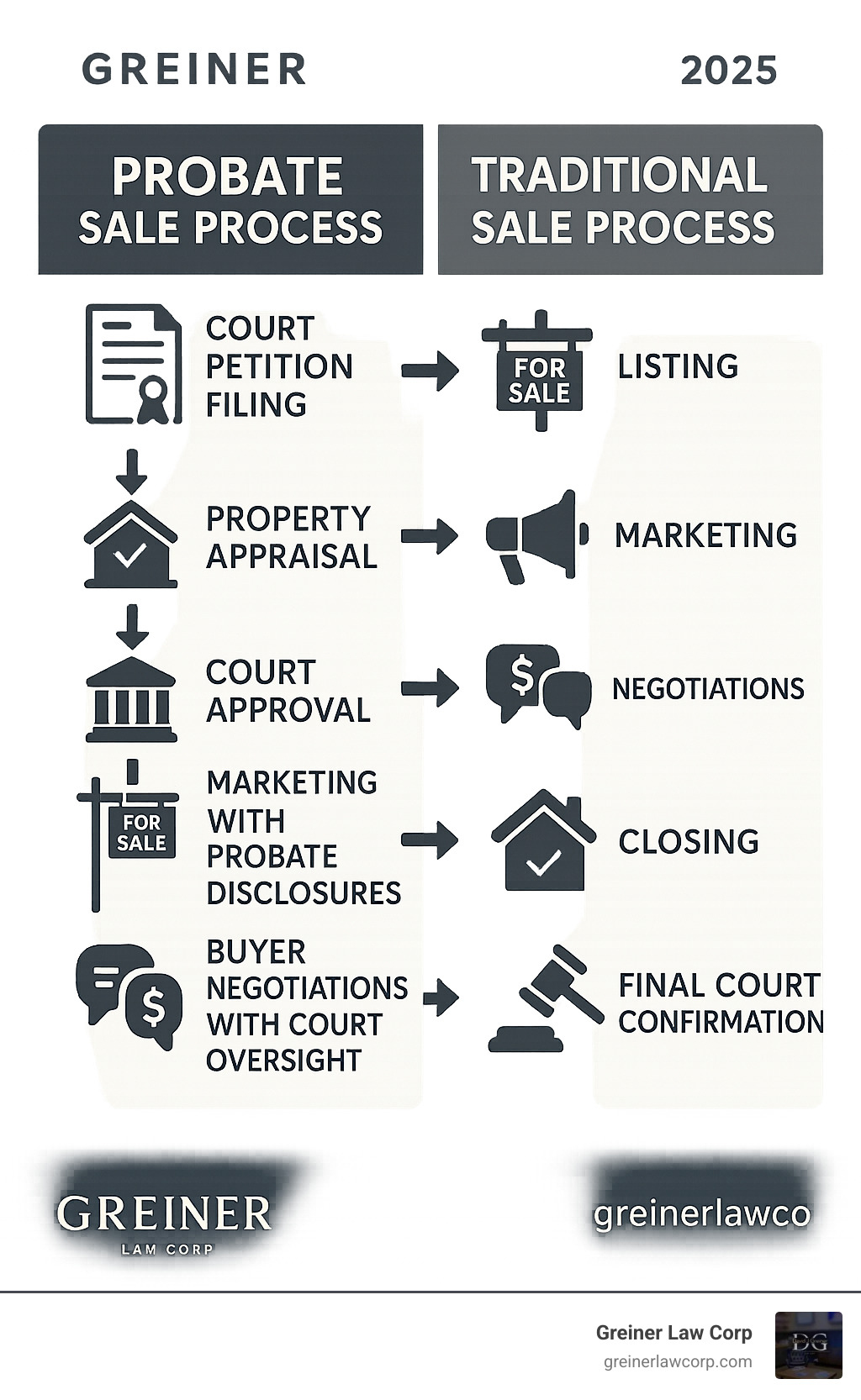
The court’s involvement changes everything. While traditional sales might close in 30-60 days, probate sales in California typically take 12 to 18 months because every major decision requires court approval.
Court confirmation is a significant difference, where a judge must approve the final sale price and terms. This protects beneficiaries but adds complexity. Strict timelines govern the process, and specific contracts with different disclosure requirements must be used.
The pricing rules can also be surprising. In many cases, properties cannot be sold for less than 90% of their appraised value without special court approval. This is a legal protection for the estate’s interests.
| Feature | Traditional Home Sale | Probate Home Sale |
|---|---|---|
| Timeline | 30-60 days typical closing | 12-18 months in California |
| Legal Knowledge | General real estate law | Deep probate law expertise required |
| Client | Individual homeowner | The estate (fiduciary duty) |
| Sale Process | Direct negotiation | Court confirmation often required |
For a deeper dive into how these sales actually work, check out our guide on how do probate real estate sales work. Understanding these differences explains why choosing the right professional is not just about selling a house—it’s about navigating a legal process that protects everyone involved.
The Probate Sale Process and a Realtor’s Key Responsibilities
The journey of selling a property through probate is a methodical one, guided by legal requirements. A probate realtor acts as a project manager, legal liaison, and supportive advisor throughout this complex process.
Here’s a snapshot of a probate realtor’s core responsibilities:
- Property Valuation: They work with appraisers to determine the fair market value, a crucial step for court approval.
- Marketing the Property: They label properties as probate sales, provide all required disclosures, and target buyers who understand the process, such as investors looking for “as-is” opportunities.
- Navigating Offers: They review offers to ensure they meet probate sale requirements and manage buyer expectations about court confirmation and the overbid process.
- Court Documentation: They work with the probate attorney to prepare all necessary documents for court approval, ensuring contracts are structured correctly for probate.
- Communication with Attorney and Executor: They keep the executor and attorney informed at every stage, providing updates and explaining procedures.
For a deeper dive into how these sales are structured, explore our explanation of how do probate real estate sales work?.
Typical Timelines and Common Challenges
Patience is a virtue in probate sales. In California, a sale can take 12 to 18 months due to court delays, potential heir disputes, and issues with property condition or title defects. Many probate properties are sold “as-is,” which can affect marketability. A specialized probate realtor understands these potential roadblocks and can help anticipate and mitigate them. For more on the specific fate of properties during this period, refer to our article on what happens to a house during probate?.
How Administration Rights Impact the Sale
One of the critical aspects that influence the probate sale process, and thus the probate realtor’s role, are the administration rights granted to the executor or personal representative. These rights determine the level of court oversight required for the sale.
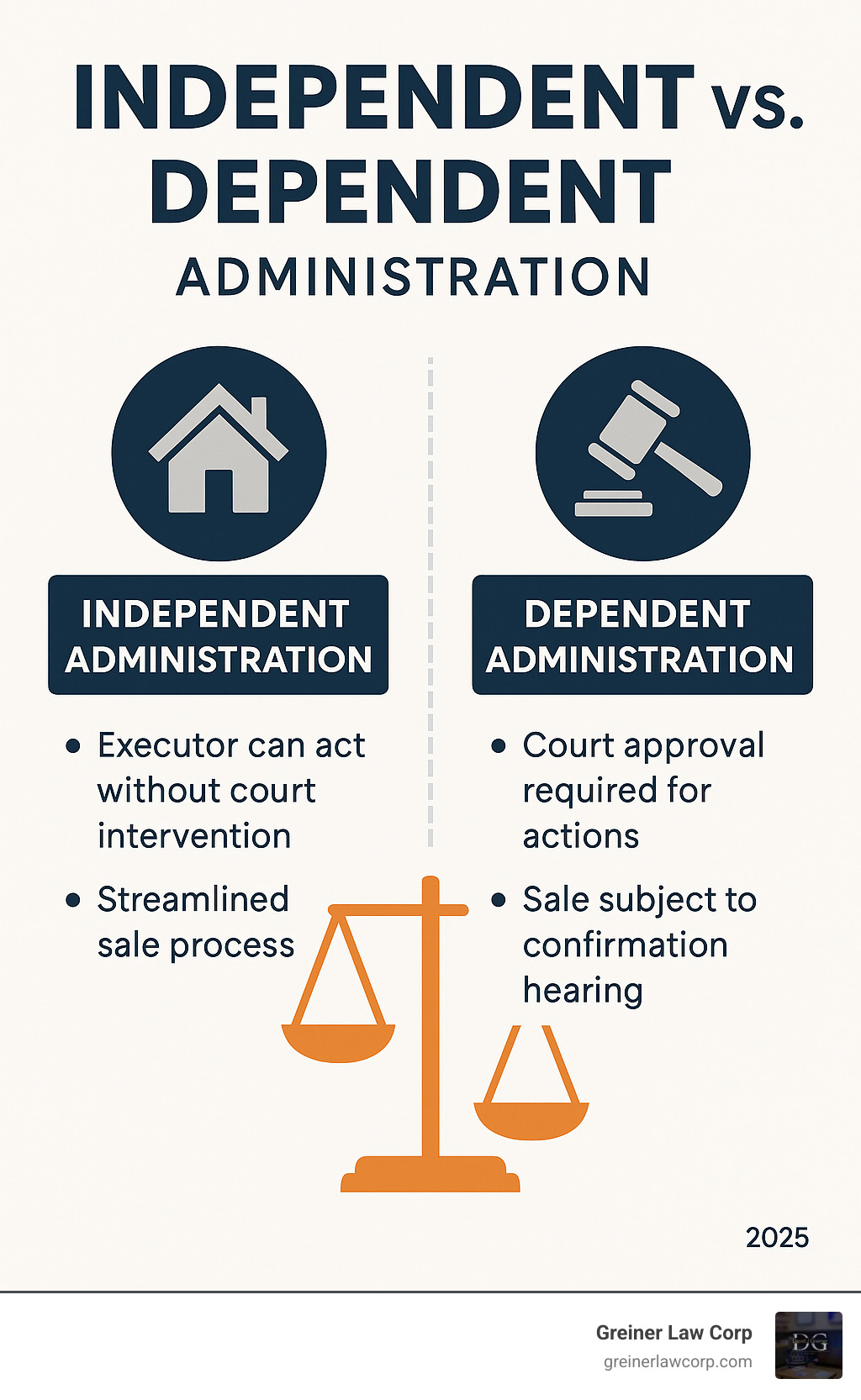
- Independent Administration: Under California’s Independent Administration of Estates Act (IAEA), the executor has more authority to act without direct court supervision. They can often list and sell property with less court involvement, which can streamline the sale. A probate realtor in this scenario can move more flexibly but must still ensure all legal notices are proper and the sale is in the estate’s best interest.
- Dependent Administration: In this case, every significant action, including the sale of real property, requires specific court approval. This means more hearings, more paperwork, and a slower pace. The property cannot be sold for less than 90% of its appraised value, and the sale goes through a court confirmation hearing where other bidders can “overbid” the accepted offer. The probate realtor must be an expert in these court procedures.
Understanding these rights is vital, as they dictate the specific steps a probate realtor must take. Our team is well-versed in both scenarios, ensuring compliance regardless of administration rights.
The Value of Specialized Expertise: Why Hire Probate Realtors?

Dealing with the loss of a loved one while trying to steer probate law and real estate procedures is overwhelming. This is why probate realtors are so valuable—they act as an experienced guide through what can feel like an impossible journey.
Hiring a probate realtor isn’t just another expense; it’s one of the smartest investments an estate can make. They don’t just sell houses; they protect the estate’s value while shouldering complex responsibilities.
- Minimizing stress is the most immediate benefit. A skilled probate realtor handles property preparation, coordinates with vendors, and manages the moving pieces, allowing you to focus on your family.
- They are experts at maximizing sale price, even with properties that need repairs. They know how to attract buyers who aren’t deterred by the probate process and can steer rules like California’s 90% minimum pricing requirement.
- Avoiding legal pitfalls is where their expertise shines. They know the specific forms, timelines, and procedures to prevent a sale from being derailed or exposing the executor to liability.
- They are saving time and money. Their expertise ensures compliance with state probate law, protecting the estate and the executor from costly mistakes and delays.
For a complete picture of probate costs in California, including realtor fees, check out our breakdown of California probate fees.
The Importance of Specialized Training for Probate Realtors
Not all real estate agents are equipped for probate. It requires specialized training that goes far beyond a standard license. Many dedicated probate realtors pursue advanced certifications like the Certified Probate Real Estate Specialist (CPRES). This training covers court procedures, legal deadlines, and the emotional aspects of working with grieving families. This commitment to ongoing education ensures they stay current with changing laws and best practices, giving executors peace of mind.
Advantages of Hiring a Specialist
A probate realtor is a strategic partner who brings a complete toolkit to your situation. Their advantages include:
- Expert guidance through court processes
- Accurate property pricing for probate
- Targeted marketing to appropriate buyers
- Skilled negotiation within legal constraints
- A network of probate-savvy professionals
The bottom line is that probate realtors provide a comprehensive service that protects the estate, supports the executor, and ensures a loved one’s final asset is handled with care and expertise.
How to Find and Vet a Trustworthy Probate Realtor
Finding the right probate realtor is crucial when settling an estate, especially when you’re already dealing with emotional stress. Here are proven strategies to identify a qualified professional.
Start by asking your probate attorney for a referral. Legal professionals regularly work with probate realtors and know who is reliable and effective. You can also use specialized online directories, but look for agents who dedicate a significant portion of their practice to probate sales.
Experience is critical. You want a realtor who regularly handles estate properties, not someone who has only done a few. Ask how many probate transactions they’ve completed in the past year. Always ask for references from past probate clients or attorneys they’ve worked with. These conversations provide invaluable insight into their communication style and professionalism. For more information, you can explore our page on finding a court appointed real estate agent.
Key Questions to Ask Potential Probate Realtors
Once you have candidates, conduct a thorough interview. You are hiring someone to handle a major asset, and you deserve clear answers.
- What specialized probate real estate training do you have? Ask about certifications like CPRES, which show a commitment to mastering this niche.
- How do you coordinate with the estate attorney and executor? Look for someone who establishes clear communication protocols from the start.
- Can you provide references from past probate clients or attorneys? A seasoned professional should have a list ready. Speaking with them will reveal how they handle the unique challenges of probate.
- How does your marketing strategy differ for probate properties? They should know how to position “as-is” properties and manage buyer expectations about court confirmation.
- What potential challenges do you foresee with this property? A trustworthy realtor will be honest about difficulties and explain how they plan to address them.
- What is your commission structure? Clarify all fees upfront to prevent surprises.
A qualified probate realtor will welcome these questions. If someone seems evasive, it’s a sign to keep looking. You are choosing a partner to guide you through a complex legal and emotional journey.
Frequently Asked Questions about Probate Real Estate Sales
When families steer their first probate sale, many of the same questions arise. Here are answers to the three most common questions we hear when clients work with probate realtors.
How long does a probate sale typically take in California?
In California, a probate sale typically takes 12 to 18 months. This timeline is influenced by court schedules, the complexity of the estate, and any disagreements among heirs. A skilled probate realtor helps manage expectations and keeps the process moving as efficiently as possible within the legal framework.
What is the standard commission for a probate realtor?
The commission is usually around 5-6% of the final sale price, similar to traditional sales. However, this commission must be approved by the probate court as part of the sale confirmation. This court oversight protects the estate by ensuring the fee is reasonable and justified. The commission is paid from the estate’s proceeds at the close of the sale.
Can a house in probate be sold “as-is”?
Yes, and in fact, most probate homes are sold “as-is.” This means the estate will not make repairs or improvements. This approach simplifies the process for the executor and attracts buyers who specialize in properties needing work. However, selling “as-is” does not remove the duty to be transparent. The executor must still comply with all state disclosure laws about the property’s known condition. A qualified probate realtor ensures these disclosures are handled correctly, protecting the estate from future liability.
Conclusion
When you’re facing the task of settling a loved one’s estate, selling their property can feel like an overwhelming challenge. The specialized expertise of probate realtors is essential for navigating this complex process.
We’ve seen how probate realtors stand apart from traditional agents. They bring a crucial combination of legal knowledge, empathetic communication, and strategic negotiation skills custom to court-supervised sales. They are your guide, handling the difficult terrain of property valuation, targeted marketing, and court documentation while ensuring the sale proceeds both efficiently and legally, whether under independent or dependent administration. The result is minimized stress for you and maximized value for the estate.
At Greiner Law Corp, we use a business-minded approach to cut through legal complexity and support our clients’ goals. We understand that during a difficult time, you need clear, actionable guidance.
Our collaboration with skilled probate realtors across California ensures that the real estate portion of your estate settlement is handled with the professionalism it deserves. Whether you’re in Victorville, Riverside, San Bernardino, Los Angeles, or elsewhere in the state, we are committed to helping you achieve the best possible outcome.
The path forward doesn’t have to be unclear. Let us help you turn a challenge into a manageable process. Learn more about our dedicated probate realtor services and find out how we can support you every step of the way.


