Understanding cancelling a property sale agreement is important for both buyers and sellers who may need to exit a contract legally. Key elements include:
- Use contingency clauses (like home inspections or financing approval) to cancel safely.
- Ensure mutual consent between both parties for a smooth termination.
- Breach of contract by the other party may permit you to back out.
Cancelling a property sale agreement involves navigating real estate contracts, which are legally binding documents defining the rights and obligations of both parties in a property transaction. Understanding your legal rights is crucial, especially when contingencies—like inspection and financing clauses—can offer an exit plan if conditions aren’t met.
I’m David Greiner, Esq., your guide through the complexities of cancelling a property sale agreement. With years of experience in real estate law, I ensure clients understand the intricacies of contracts and safeguard their interests with effective solutions.

Simple guide to cancelling a property sale agreement terms:
– cancellation of agency agreement
– cancel real estate contract
Understanding Real Estate Contracts
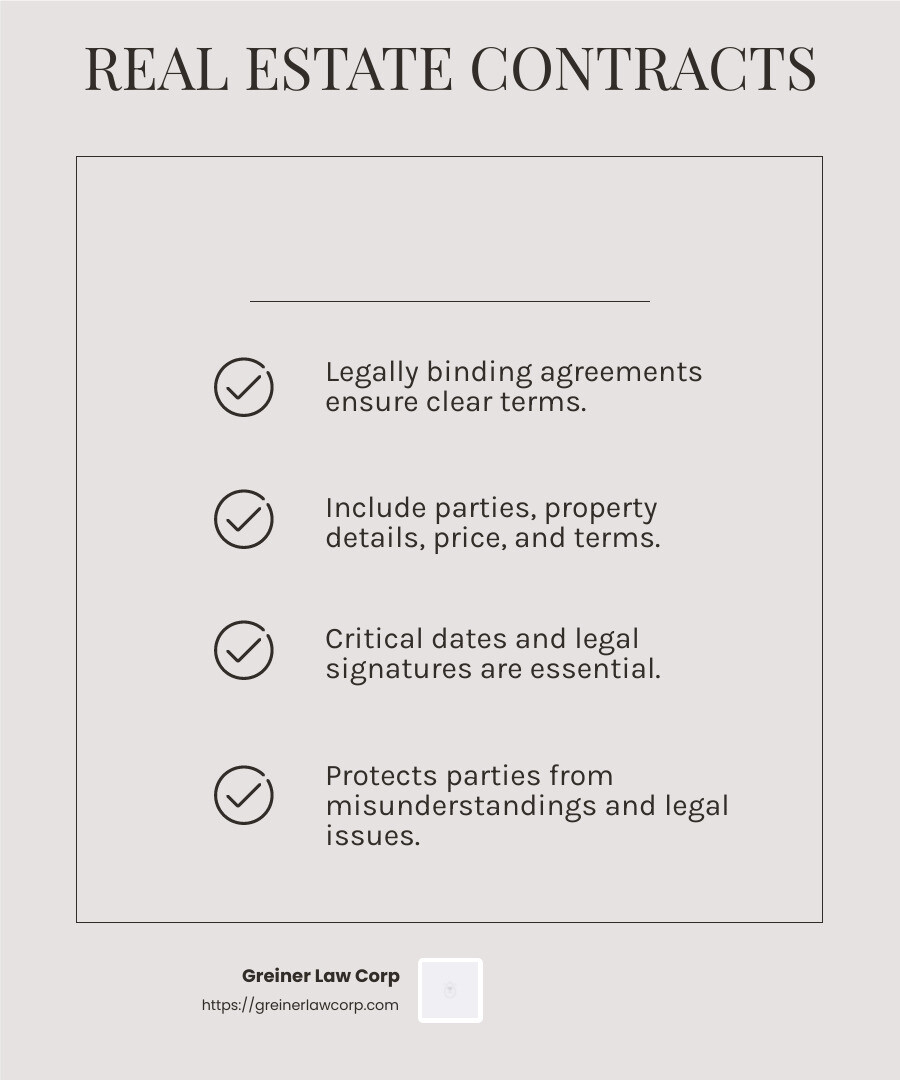
Real estate contracts are the backbone of any property transaction. These are legally binding agreements that outline the terms and conditions for buying, selling, leasing, or renting property. Let’s break down the essential parts of these contracts and why they matter.
Definitions
A real estate contract is a formal agreement between parties involved in a property transaction. It clearly specifies the rights and duties of each party, ensuring everyone is on the same page.
Components
Real estate contracts typically include several key components:
- Parties Involved: Names and contact information of both the buyer and seller.
- Property Details: A detailed description of the property, including its address and legal description.
- Price and Terms: The agreed-upon purchase price, payment terms, and any contingencies that might affect the sale.
- Important Dates: Critical dates, such as when the offer is made, acceptance deadlines, and the closing date.
- Signatures: Legal signatures from all parties, making the contract valid.
Legal Binding
Once signed, a real estate contract becomes a legally enforceable document. This means that if a party fails to meet their obligations, they can face legal action. The contract protects both parties, ensuring they understand their responsibilities and any penalties for a breach.
Understanding these fundamental aspects of real estate contracts is crucial before entering into any property transaction. This knowledge helps avoid misunderstandings and provides a clear pathway for legal recourse should issues arise.
In the following section, we will explore the specific conditions under which a real estate contract can be canceled, ensuring you are well-informed about your rights and options.
Grounds for Cancelling a Property Sale Agreement
Cancelling a property sale agreement is not as simple as just changing your mind. There are specific legal grounds under which a contract can be canceled. Let’s explore the three main reasons: mutual consent, contingency clauses, and breach of contract.
Mutual Consent
Sometimes, both the buyer and the seller agree that canceling the contract is the best move. This is known as mutual consent. When both parties are on the same page, the contract can be dissolved without penalties. This method is often the simplest and least stressful way to cancel an agreement. It’s essential to get this agreement in writing to avoid future disputes.
Contingency Clauses
Contingency clauses are like “safety nets” in a real estate contract. They allow one or both parties to cancel the agreement if certain conditions aren’t met. Here are some common contingencies:
- Financing Contingency: If the buyer cannot secure a mortgage, they can back out without penalty.
- Home Inspection Contingency: If an inspection reveals significant issues, the buyer can request repairs, renegotiate, or cancel the deal.
- Appraisal Contingency: If the home appraises for less than the purchase price, the buyer can walk away.
- Sale of Current Home Contingency: Buyers can cancel if they can’t sell their existing home.
These clauses are crucial as they protect both parties from unforeseen issues. If a contingency is triggered, the buyer usually gets their earnest money back.
Breach of Contract
A breach of contract occurs when one party fails to fulfill their obligations. This can be a valid reason for the other party to cancel the agreement. For example, if a seller refuses to allow a home inspection, they’re breaching the contract. The buyer can then legally cancel the agreement. It’s important to document any breaches carefully, as this can be crucial if disputes arise later.
Understanding these grounds for cancelling a property sale agreement helps you steer the process more confidently. Whether you’re a buyer or a seller, knowing your rights and options is key to protecting your interests.
In the next section, we’ll explore the legal process of cancelling a property sale agreement, including how to notify parties and potential consequences.
Legal Process of Cancelling a Property Sale Agreement
When it comes to cancelling a property sale agreement, it’s important to follow the legal process carefully. Here’s a simple guide to help you understand the steps involved.
Reviewing the Contract
First things first, grab your contract and give it a thorough review. Look for any clauses that might allow cancellation, such as contingency clauses or specific terms that outline the process for ending the agreement. This is where a real estate attorney can be invaluable. They can help you understand the legal jargon and ensure you’re on solid ground.
Notifying All Parties
Once you’ve confirmed that you have legal grounds to cancel, it’s time to notify all involved parties. This must be done in writing. Your notification should clearly state your intention to cancel the contract and the reasons for doing so. Make sure to follow any specific notification procedures outlined in the contract. This helps prevent any legal complications down the road.
Potential Consequences
Cancelling a contract isn’t always without consequences. Here are some potential outcomes to be aware of:
Loss of Earnest Money: If you cancel without a valid contingency, you might forfeit your earnest money deposit. This deposit usually ranges from 1% to 3% of the home price.
Legal Liabilities: Cancelling without legal grounds can lead to litigation. The other party might seek financial damages, especially if they incur losses due to the cancellation.
Impact on Future Deals: Cancelling a contract might affect your reputation in the real estate market, making future deals more challenging.

Understanding these potential consequences helps you weigh your options carefully before proceeding with the cancellation.
Navigating the legal process of cancelling a property sale agreement can be complex, but with the right guidance, you can protect your interests. Consulting with a real estate attorney is always a wise step to ensure you’re following the correct legal procedures.
In the next section, we’ll dive into common scenarios for cancellation and explore how buyer’s contingencies, seller’s legal grounds, and mutual agreements play a role.
Common Scenarios for Cancellation
When it comes to cancelling a property sale agreement, there are a few common scenarios that might come into play. Understanding these can help you steer the process more smoothly.
Buyer’s Contingencies
Buyers often include contingencies in their contracts to protect themselves. These are conditions that must be met for the sale to go through. If a contingency isn’t met, the buyer can cancel the agreement without penalty.
Inspection Contingency: If a home inspection reveals major issues, the buyer might cancel the deal. They could also negotiate repairs or a price reduction.
Financing Contingency: This allows buyers to back out if they can’t secure a mortgage. It’s a safeguard against financial risk.
Appraisal Contingency: If the home’s appraised value is lower than the sale price, the buyer can walk away or renegotiate the price.
These contingencies are like safety nets, ensuring buyers aren’t locked into a deal that doesn’t meet their expectations.
Seller’s Legal Grounds
Sellers also have rights when it comes to cancelling a contract, though these are more limited compared to buyers.
Failure to Perform: If the buyer doesn’t meet certain obligations, like securing financing or depositing earnest money, the seller might cancel the agreement.
Legal Loopholes: Occasionally, contracts have specific clauses that let sellers cancel under certain conditions, such as receiving a better offer before contingencies are finalized.
Sellers should tread carefully, as cancelling without solid legal grounds can lead to disputes and financial consequences.
Mutual Agreement
Sometimes, both parties agree that cancelling the contract is the best option. This mutual agreement can be the simplest and least contentious way to end a transaction. It often happens due to unforeseen circumstances, like changes in the market or personal situations affecting either party’s ability to proceed.
When both buyer and seller are on the same page, they can dissolve the contract amicably. This approach helps avoid legal battles and allows both parties to move forward without stress.
Understanding these scenarios is crucial in making informed decisions about cancelling a property sale agreement. Each situation has its own nuances, so it’s important to know your rights and options.
Next, we’ll tackle frequently asked questions about cancelling a property sale agreement, including what happens when a buyer changes their mind or if a seller can back out of a contract.
Frequently Asked Questions about Cancelling a Property Sale Agreement
Can a seller back out of a contract?
Yes, a seller can back out of a contract, but it’s not as straightforward as it might seem. There are specific legal grounds required for this action. Most importantly, the seller must adhere to the terms outlined in the contract.
Breach of Contract: If the buyer fails in their obligations, such as not securing financing or not providing earnest money, the seller might have legal grounds to cancel the agreement.
Contingency Clauses: Some contracts include contingencies that allow sellers to back out if certain conditions aren’t met. However, these are less common for sellers compared to buyers.
Sellers should be cautious. Backing out without valid reasons can lead to legal trouble, including being sued for breach of contract.
What happens if a buyer changes their mind?
Buyers often have more flexibility when it comes to cancelling a property sale agreement. This is largely due to the contingencies included in most contracts.
Contingencies: These are conditions that protect the buyer. If not met, they can cancel the agreement without losing their earnest money.
Earnest Money: This deposit shows the buyer’s commitment to the purchase. If the buyer changes their mind without a valid contingency, they might forfeit this money.
If a buyer decides to back out, they should review their contract carefully and consult a legal professional to understand any potential financial implications.
Is there a cooling-off period for real estate contracts?
A cooling-off period allows buyers to cancel a contract within a specific timeframe without penalties. However, this isn’t available everywhere.
State Laws: Cooling-off periods vary by state. Some states have laws that grant buyers a few days to reconsider their purchase, but others do not.
Contract Terms: Even if state law doesn’t provide a cooling-off period, some contracts might include this option. It’s essential to read the contract thoroughly to know your rights.
Understanding these aspects can help you steer the complexities of cancelling a property sale agreement. Always consult a legal expert to ensure you’re making informed decisions and protecting your interests.
Conclusion
Navigating real estate contracts can feel overwhelming. But with the right support, it doesn’t have to be. At Greiner Law Corp, we prioritize your goals and work diligently to ensure your interests are protected every step of the way.
Our legal support is rooted in a deep understanding of real estate law. We know that each client’s situation is unique, and we tailor our approach to meet your specific needs. Whether you’re dealing with a complex property sale or considering cancelling a property sale agreement, we’re here to provide the guidance you need.
Our team is committed to making the process as smooth as possible. We focus on clear communication and practical solutions, so you can move forward with confidence. From reviewing contracts to representing your interests in negotiations, we’re dedicated to minimizing risks and ensuring a favorable outcome.
By choosing Greiner Law Corp, you’re not just getting a legal service—you’re gaining a partner who is invested in your success. We understand that real estate transactions are significant milestones, and we’re here to help you steer them with ease.
For more information on how we can assist you with cancelling a property sale agreement, visit our service page. Let us help you make informed decisions and achieve your real estate goals.


