Why Understanding Estate Sale Pricing Matters for Savvy Buyers
Can you offer lower price on estate sale house? Yes, you absolutely can—and often should. Estate sales offer unique negotiation opportunities due to motivated sellers, the property’s “as-is” condition, and probate complexities. Success depends on understanding market conditions, strategic timing, and backing your offer with solid research and professional guidance.
Key Factors That Make Estate Sale Negotiation Possible:
- Motivated Sellers: Executors typically need to settle the estate quickly to distribute assets to beneficiaries.
- Property Condition: Homes are usually sold “as-is” without repairs, justifying lower offers.
- Market Leverage: Long listing times and multiple price reductions signal negotiation opportunities.
- Probate Complexities: The legal process creates urgency to finalize sales efficiently.
Buying an estate sale home has unique challenges. The probate process can delay title transfer for months, the original owner can’t disclose issues, and beneficiaries may scrutinize the sale price. These factors create both obstacles and opportunities for strategic buyers.
As David Greiner, Esq., I’ve helped clients steer complex real estate transactions, including estate sales where understanding can you offer lower price on estate sale house dynamics is critical. My business-focused approach prioritizes your goals—securing the best deal while protecting your interests with proper legal frameworks.
Find more about can you offer lower price on estate sale house:
Understanding the Unique Nature of an Estate Sale House
Buying an estate sale home is a distinct process with unique benefits and challenges. These properties often come to market after a death or when assets must be liquidated. This can mean a motivated seller and a good deal, but it also introduces complexities requiring careful consideration.

A primary consideration is that title cannot be transferred until the estate is probated. This court-supervised legal process can take months, affecting your purchase timeline. The executor must ensure the property is sold at a fair price to satisfy beneficiaries and creditors.
Estate sale houses are almost always sold “as-is.” The estate, through its executor, typically won’t make repairs or offer concessions. Since the original homeowner cannot disclose property defects, you, as the buyer, bear a greater responsibility for thorough due diligence.
Key Differences from a Typical Home Purchase
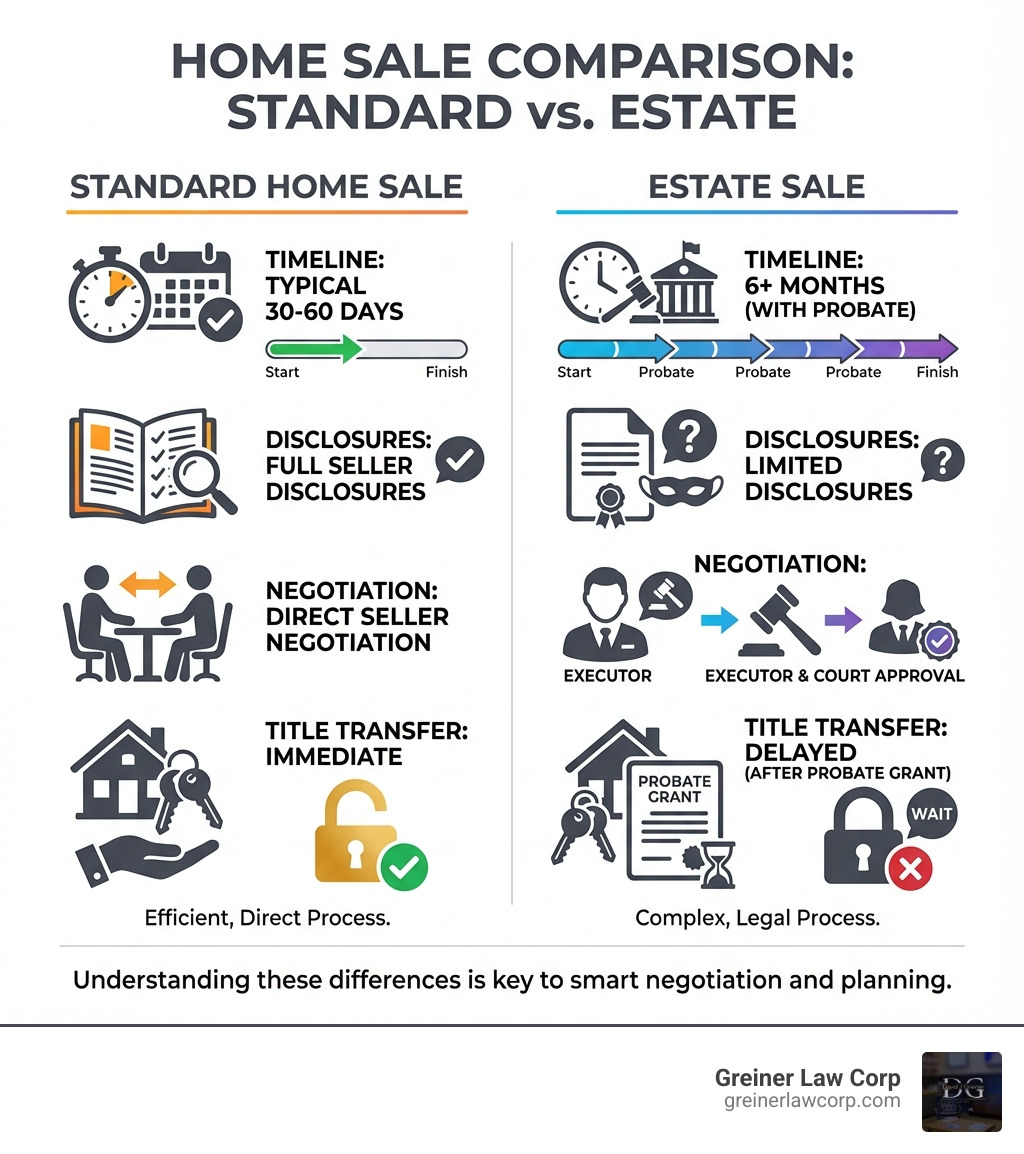
When you compare a standard real estate transaction with an estate sale home purchase, several key differences emerge:
| Feature | Standard Home Sale | Estate Home Sale |
|---|---|---|
| Seller | Current homeowner | Estate (represented by an executor/administrator) |
| Disclosure | Comprehensive seller disclosures required | Limited or no seller disclosures, property sold “as-is” |
| Motivation | Varies (relocation, upgrade, etc.) | Often high (liquidation for beneficiaries, debt settlement) |
| Negotiation | Direct with homeowner | With executor, potentially subject to court approval and beneficiary input |
| Timeline | Typically 30-60 days | Can take several months (due to probate) |
| Condition | Often prepared for sale, repairs may be negotiated | Usually sold “as-is,” buyers responsible for all repairs |
| Legal Oversight | Standard real estate law | Probate court oversight, specific legal requirements |
| Emotional Factor | Present, but usually less intense | High, can influence decision-making and negotiations |
Understanding these differences is crucial. In a standard sale, you negotiate with a homeowner who knows the property. In an estate sale, you deal with an executor whose primary duty is to the estate and its beneficiaries. While emotions can be high for beneficiaries, the executor’s fiduciary duty requires objective decisions.
For a deeper dive into the legal framework, learn What is a probate sale? and understand the Executor Duties Explained.
The Impact of the Probate Process on Your Purchase
Probate is the legal validation of a will and administration of an estate. For real estate, title transfer requires probate court approval (e.g., an Order Confirming Sale). This can add months or even over a year to the transaction, especially in busy California courts.
This extended timeline impacts your decision as a buyer. You must be prepared for delays and understand that your offer may be subject to court confirmation. In some cases, particularly in California, the court may allow for overbids, where other buyers can offer a higher price after your offer has been accepted. This unique challenge requires patience and preparation for potential competition.
Until the estate is probated, legal ownership is in flux. This means you cannot take possession or gain clear title until the court finalizes the estate administration and authorizes the sale.
To better understand this journey, explore What Happens to a House During Probate? and familiarize yourself with the Probate Court Process.
Can You Offer a Lower Price on an Estate Sale House? The Short Answer is Yes
Yes, you can and often should offer a lower price on an estate sale house. These sales create conditions ripe for negotiation. A “low-ball offer” can be a strategic starting point, but its success depends on market conditions, the executor’s motivation, and the property’s condition.
In a buyer’s market with less competition, you have more negotiating power. If comparable homes have sold for much less than the asking price, you have a solid case for offering lower. Conversely, in a strong seller’s market, a low-ball offer might be quickly rejected.
However, estate sales often exist in their own micro-market. Executors are typically pressured to liquidate assets for beneficiaries, making them more motivated than a typical homeowner. If a property has been on the market for months, has had price reductions, or is a “fixer-upper,” the executor might be anxious to sell, giving you an edge.
For more insights on offer strategies, check out How Much To Offer on a House: Should You Go Below or Above Asking Price?.
Pros and Cons of Making a Low-Ball Offer
Making a low-ball offer is a calculated risk with advantages and disadvantages to weigh carefully.
Pros:
- Potential for Significant Savings: The most obvious benefit is buying the property well below asking price.
- Negotiation Leverage: A low offer can be a great starting point. The executor might counter with a price that is still a good deal for you.
- Testing Seller Flexibility: It allows you to gauge the executor’s urgency and willingness to negotiate.
Cons:
- Risk of Rejection: The executor might reject an offer they perceive as insulting or unreasonable.
- Offending the Seller: A low offer can offend the executor or beneficiaries, who may refuse future offers from you.
- Losing the Property: In a seller’s market, you can lose the property to a buyer willing to pay closer to the asking price.
- Questionable Appraisal: An offer significantly below market value might lead to a low appraisal, complicating financing.
The decision depends on your risk comfort and assessment of the property and market. Be smart, not rude.
Find more about the nuances of Buying an Estate Sale House.
When is the Best Time to Make a Lower Offer?
Timing is everything, especially when you can you offer lower price on estate sale house. Certain conditions increase your chances of success:
- Buyer’s Market: In a market with more listings than buyers, sellers (including executors) are more willing to negotiate.
- Long Time on Market: If a home has been listed for a long time, the executor’s urgency to sell may be growing, making them more likely to accept a lower offer.
- Multiple Price Reductions: A property with multiple price reductions indicates the initial price was too high or the executor is eager to sell.
- Fixer-Upper Properties: Estate homes sold “as-is” often need repairs. Factoring these costs into your offer justifies a lower price.
- Motivated Executor/Need to Liquidate Assets: Executors must settle the estate. A pressing need to liquidate assets for debts or inheritance may lead them to prioritize a swift sale over a top-dollar offer.
Negotiating for items like furniture at an estate sale is common, with prices often dropping over the sale’s duration. However, negotiating for the house is a singular event. You must seize the opportune moment.
For more on negotiation tactics in estate sales, refer to Can You Negotiate Prices at an Estate Sale?.
Crafting Your Offer: A Step-by-Step Negotiation Guide
Successfully negotiating a lower price on an estate sale house is a strategic process. It combines thorough research, a justified offer, and non-price incentives to create a proposal that is attractive to the executor while protecting your interests.

This section guides you through crafting a compelling offer with the best chance of acceptance. For a comprehensive overview, consider How to Buy a Probate Sale House.
Step 1: Do Your Homework
Before writing an offer, extensive research is your most powerful tool. This due diligence helps justify your price and strengthens your negotiating position.
- Comparable Sales (Comps): Analyze recent sales (last 30-90 days) of similar properties. If comps sold for much less than the asking price, you have a strong basis for a lower offer.
- Market Trends: Understand if it’s a buyer’s or seller’s market. In a buyer’s market, your low offer has a better chance.
- Listing History: How long has the property been on the market? Have there been price reductions? A long listing time with price cuts signals a motivated executor.
- Neighborhood Analysis: Research the area for upcoming developments, zoning changes, and typical property values.
- Property Overvaluation Signs: If your research shows the home is clearly overpriced compared to similar properties, use this in your negotiation.
To find local listings and understand market dynamics, explore resources like Probate Listings Near Me.
Step 2: Determine Your Offer: How Low to Go When You Offer a Lower Price on an Estate Sale House
This is where negotiation meets data. While there’s no magic number, your offer must be justifiable and respectful. A low-ball offer generally shouldn’t be more than 25% below asking to avoid being disregarded.
- Assessing Fair Market Value: Based on your comps research, determine the property’s fair market value in its current condition.
- Factoring in Repair Costs: Get estimates for necessary repairs or renovations for the “as-is” home. These costs should be reflected in your offer.
- Justifying Your Price: Accompany your offer with a clear rationale backed by market research, comps, and estimated repair costs.
- Avoiding Insulting Offers: An offer that’s too low without strong justification might be seen as disrespectful and rejected. A low-ball offer can be a starting point, but don’t make it so low that it shuts down communication.
A lower offer is a powerful tool, but it must be wielded with precision and respect.
Step 3: Strengthen Your Offer Beyond the Price
Even when you can you offer lower price on estate sale house, a low offer is more appealing with non-price concessions. This shows you’re a serious buyer and can make your offer stand out.
Here are ways to make your offer more attractive:
- Get Pre-Approved for Financing: A pre-approval letter (not just pre-qualification) shows you are financially capable and ready to close, reducing risk for the seller.
- Offer a Larger Earnest Money Deposit: A substantial deposit signals your commitment and confidence in the purchase.
- Propose a Quick Closing Date (if possible): Executors are often motivated by speed. A quick close, especially with cash, is a huge advantage.
- Reduce Contingencies: Minimizing unnecessary contingencies (while keeping essential ones like inspection) makes your offer cleaner.
- Be Flexible with the Seller’s Timeline: Offering flexibility on the closing or move-out date can be a valuable concession.
Securing pre-approval is a crucial step. For financing options, explore Can You Borrow Loan to Buy a Probate Home?.
Protecting Your Purchase: Essential Due Diligence and Legal Steps
When you can you offer lower price on an estate sale house, protecting your investment is paramount. The “as-is” nature and probate complexities of these sales demand heightened due diligence and robust legal safeguards to mitigate risks.
This is where expert guidance and meticulous attention to detail become invaluable. For an in-depth understanding of the necessary checks, refer to Due Diligence Real Estate.
The Critical Role of a Home Inspection and Appraisal
Since estate homes are sold “as-is” with no seller disclosures, a professional home inspection is essential, not just recommended.
- “As-Is” Risks: An “as-is” sale means you accept the property’s current condition, including hidden defects. An inspection can uncover costly issues with the structure, plumbing, electrical systems, or roof.
- Uncovering Hidden Defects: An inspector identifies problems that aren’t immediately visible, giving you a full picture of the property’s condition. This knowledge is crucial for an informed decision and can justify your lower offer.
- Professional Appraisal Importance: A certified appraisal is vital. It assesses the property’s fair market value, confirming your offer is reasonable. It also helps the executor justify the sale price to the court and beneficiaries, preventing potential legal challenges that could cause significant delays.
For details on how appraisals factor into probate sales, see Probate Property Appraisal.
Including the Right Conditions in Your Offer
To safeguard your interests, your offer must include specific contingencies unique to estate sales. These clauses allow you to back out without penalty if certain conditions aren’t met.
Key conditions to include:
- Subject to Probate Court Approval: This is non-negotiable. The sale must be contingent on the probate court’s final approval.
- Waiver of Claims from Heirs: This condition ensures all beneficiaries have waived their claims against the property, preventing future legal disputes.
- Appraisal Contingency: This makes the purchase contingent on the property appraising for at least the purchase price, protecting you from overpaying.
- Inspection Contingency: This allows you time for a professional inspection. If it reveals unsatisfactory conditions, you can negotiate repairs, a price reduction, or withdraw.
These conditions are critical for protection. For more on real estate contracts, refer to our California Real Estate Contract Guide.
The Role of Professionals: Why You Need an Agent and Attorney When You Offer a Lower Price on an Estate Sale House
Navigating an estate sale purchase, especially when you can you offer lower price on an estate sale house, is not a DIY project. The stakes are high and the legal landscape is intricate. Engaging experienced professionals is essential for a successful, protected transaction.
- Experienced Real Estate Agent: An agent experienced in probate sales is invaluable. They understand these transactions, help identify properties, analyze data, and craft competitive offers. A probate realtor knows the specifics of court-supervised sales.
- Legal Counsel (Probate Attorney): A qualified probate attorney is non-negotiable. Your attorney will review contracts, ensure necessary contingencies are included, conduct a title search, and guide you through the court approval process. They ensure a clean title transfer and protect you from potential claims against the estate.
Working with professionals like a Probate Realtor and understanding What Does a Probate Attorney Do? ensures you have expert guidance, minimizing risks and maximizing your chances of a favorable outcome.
Frequently Asked Questions about Estate Sale House Negotiations
How long does it take to buy an estate sale house?
The timeline is longer than a standard purchase due to the probate court process, which can take several months to over a year. The court must validate the will, pay debts, and approve the sale before the title can be transferred.
Is an estate sale house always sold “as-is”?
Typically, yes. With the owner deceased, there’s no one to disclose issues or make repairs. Properties are sold in their current condition, making a home inspection vital. The executor has limited knowledge and a duty to liquidate assets, not perform repairs.
What happens if a beneficiary objects to the sale price?
If a beneficiary believes the price is too low, they can challenge the sale in court. This is why a professional probate property appraisal is crucial to demonstrate the price is fair market value, protecting both the executor and the buyer from legal challenges.
Conclusion: Seize the Opportunity with Smart Strategy and Legal Insight
When asking can you offer lower price on an estate sale house, the answer is yes, if you proceed with intelligence and caution. These properties offer a chance to buy real estate at a favorable price but come with challenges like the probate process and the “as-is” sale condition.
This guide highlighted the critical steps for success: understanding the unique aspects of an estate sale, crafting a justified lower offer, and protecting your interests with due diligence and expert legal guidance. Research, negotiation, and professional support from a real estate agent and probate attorney are non-negotiable.
At Greiner Law Corp, based in California, we understand that buying an estate sale house is a complex endeavor. Our business-minded legal approach prioritizes your goals, ensuring you can manage your risk preferences effectively and achieve a favorable outcome. We specialize in probate, real estate, and contract law, providing comprehensive support in Los Angeles, Riverside, San Bernardino, and Victorville, California.
For expert guidance on navigating the complexities of probate and real estate transactions, explore our services for probate and selling a house.


